On a greenhouse pepper leaf, the useful animal in this story is almost too small to see. Neoseiulus californicus is a predatory mite, working in the same close quarters as the pests that feed on the crop. The arrangement is less dramatic than a spray pass, but the leaf is still a crowded place.
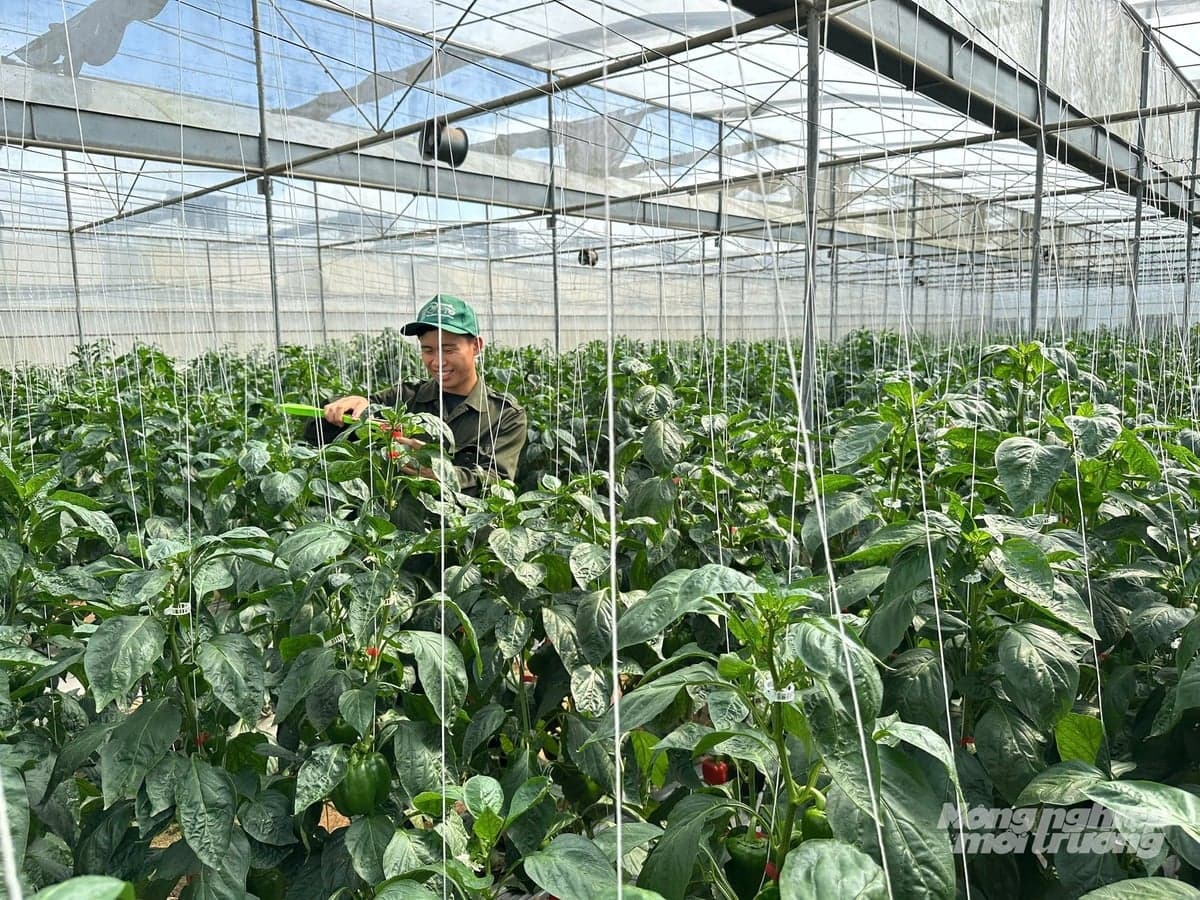
A study in Scientific Reports examines that predator as part of a biological-control strategy for greenhouse peppers, where pest management has to work inside a sealed, carefully managed environment. The research on the pepper system centers on whether one natural enemy can press down two troublesome mite species at once.
One Predator, Two Mite Problems
The study reports that N. californicus effectively suppresses both Polyphagotarsonemus latus, commonly called broad mite, and Tetranychus urticae, the two-spotted spider mite. That matters because the pests do not arrive as a tidy single-file queue; growers may be managing overlapping damage on a crop whose value depends on steady leaf growth and fruit production.
Used this way, the biocontrol method provides a sustainable alternative for pest management in greenhouse pepper cultivation. The appeal is practical: a predator can become part of the crop’s pest ecology instead of adding another chemical intervention to the calendar.
The Greenhouse Is Part of the Treatment
Releasing the right species is only the beginning. Humidity, temperature, crop density, and the timing of releases can determine whether a beneficial organism settles into the house and keeps working. A separate discussion of humidity and biocontrol success makes the less glamorous point plainly: an agent arriving alive is not the same as an agent continuing to perform.
That puts scouting alongside release decisions. Growers will need to know which mite is present, how quickly the pest population is moving, and whether greenhouse conditions are favorable before expecting the predator to carry the program. Work on a biological-control protocol for early peppers in southern Spain points toward the kind of crop-specific planning commercial houses require.
For growers, the hoped-for payoff is healthier plants and stronger yields through use of this natural predator. The result will not come from the name on the release box alone. It will come from matching the predator to the pest, then giving it a greenhouse where it can keep finding work.
The immediate operational question is how the research translates into release rates, timing, and compatibility with the rest of a pepper program. Those details determine whether a promising mite becomes a dependable tool or remains a useful result in a paper.