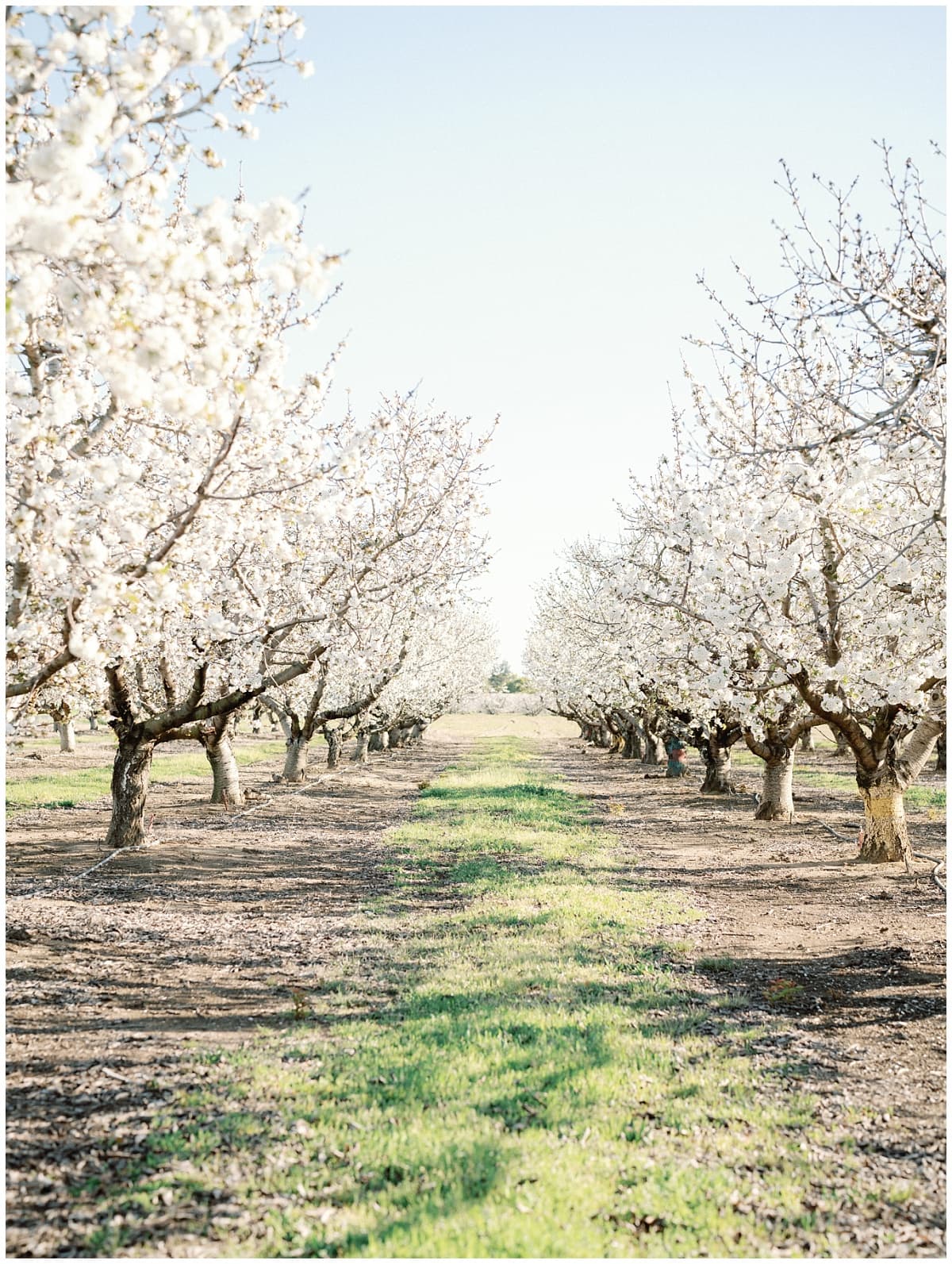
An almond orchard has a peculiar calendar. Its most consequential weather may arrive while the trees are still carrying flowers, long before anyone is checking nut maturity or setting out harvest equipment. This year, storms have moved through that early window, leaving the crop's timetable less tidy than the calendar on the office wall.
Across California's fruit country, the season is running on two clocks: one pushed forward by warmth and another interrupted by wet weather. The USDA's 2026 fruit and tree nuts outlook describes warm conditions in the West, along with spring weather damage and shifting harvest timing.
The Calendar Moves First
Cherries, peaches, table grapes, strawberries, and watermelons have all begun moving toward harvest earlier than their usual schedules after warmer-than-average spring temperatures. That does not simply make the season shorter on paper. It can pull labor calls, cooling capacity, truck appointments, and buyer conversations into the same narrow stretch of the year.
The pressure is especially visible in wine grapes. An early California grape harvest followed an unusually warm March and spring, while many vines produced smaller clusters. A harvest that arrives early is therefore not automatically a larger harvest; the date and the tonnage can move in different directions.
For fruit operations, the practical nuisance is that several kinds of readiness have to line up at once. A block can be close to picking maturity while a crew is still committed elsewhere, or while a packer is working through fruit that arrived ahead of schedule. The crop does not wait politely for the paperwork.
Storms in the Bloom Window
Almonds make the contrast sharper. The USDA reports that stormy weather during this year's bloom is affecting the timing of fruit development and, later, harvest. The weather arrives at the front of the production cycle, but its consequences may not become visible until growers are making decisions about crop load, orchard passes, and harvest sequencing.
That uncertainty sits alongside a broader reshuffling in California's major fruit-producing regions. Climate conditions are moving harvest schedules rather than changing one isolated orchard's date, according to the seasonal crop summary. For farms spread across the San Joaquin Valley, Sacramento Valley, coastal districts, or the state's warmer southern growing areas, the difference may be measured in how many jobs and deliveries have to be rearranged at once.
The market side is less forgiving than the weather report. Early fruit still needs a buyer, a grade, a box, and a ride. In tree fruit, an earlier start can bring fruit into the packing system before neighboring blocks and competing regions have finished their normal preparations. In grapes, smaller clusters add another variable to winery intake and yield forecasts.
The useful record this season will not be a single harvest date. It will be the sequence: bloom conditions, crop development, first pick, packout, and final tonnage. Those records give each operation something better than a general climate story—a local comparison for deciding how much flexibility to build into next year's labor and equipment plans.