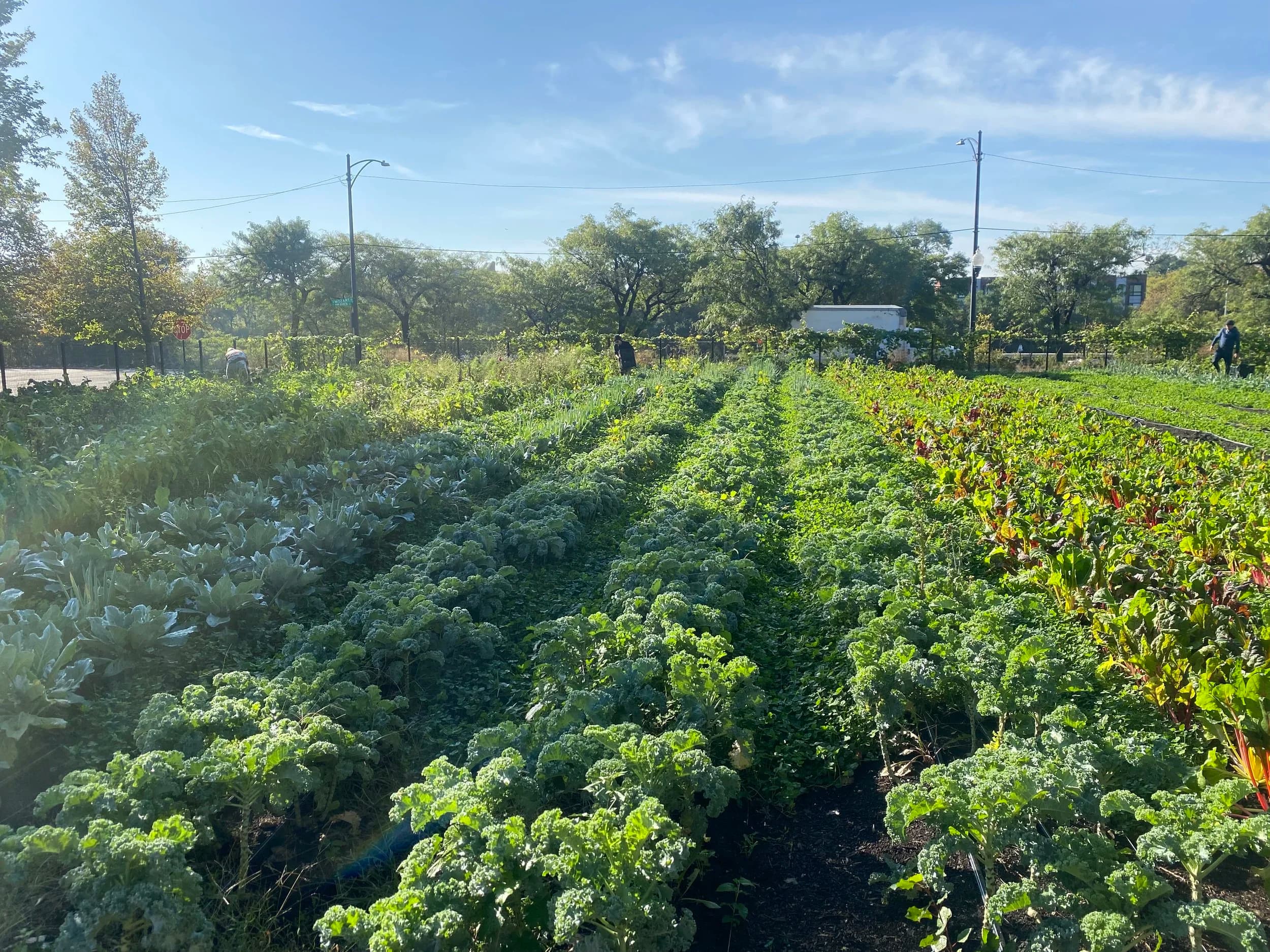
In Amador County, the connection between the land and the lunchroom is literal. A school meal can carry a little more geography than the usual cafeteria tray: food grown nearby, prepared for children, and purchased through the machinery of a public school district.
That machinery is getting a larger state-funded push. By 2027, California will have awarded approximately $126 million through its Farm to School Incubator Grant Program, money intended to improve student access to fresh produce while opening new market opportunities for local growers. The program is also being evaluated for its economic, environmental and social effects, a sign that the state is interested in more than counting lunches.
A Public Buyer With a Cafeteria Schedule
For growers, schools are an unusual kind of customer. They buy against menus and academic calendars, carry public-procurement requirements, and serve large numbers of people at once. The arrangement can create a dependable outlet for local produce, but it also asks farms to meet the practical rhythms of institutions rather than the familiar rhythms of a wholesale market.
California’s program has already moved beyond the pilot-stage language that tends to gather around grant programs. Since launching in 2021, it has directed $86 million to 375 projects, reaching roughly 49% of the state’s school districts, according to reporting on the program’s expansion. Those projects can include purchasing local food, farm field trips and culinary training for cafeteria workers. About 500 districts currently obtain food through the program.
The Next Round Is Still Being Written
The next grant cycle is not yet a finished document. CDFA released a draft Request for Applications for public comment, with the 2025 and 2026 Budget Acts providing up to $40 million for that round. The draft also proposes reserving up to 10% of awards for tribal governments, one of the details that can change how partnerships are assembled before applications open.
That matters on the farm side because a grant award is rarely just a check to a producer. A school district, food hub, nonprofit, tribal government or other partner may be the applicant or the buyer, while growers become part of the supply plan. The useful question is less whether a farm can win a grant than whether it can fit into a funded arrangement with clear volumes, delivery windows and payment terms.
The program’s evaluation will add another layer to that accounting. Alongside student access, California is examining what the grants do to food-system economics, environmental conditions and social outcomes. For growers near participating districts, the most tangible measure may remain the simplest one: whether a school buyer can take a farm’s produce at a workable price and on a schedule the farm can actually meet.