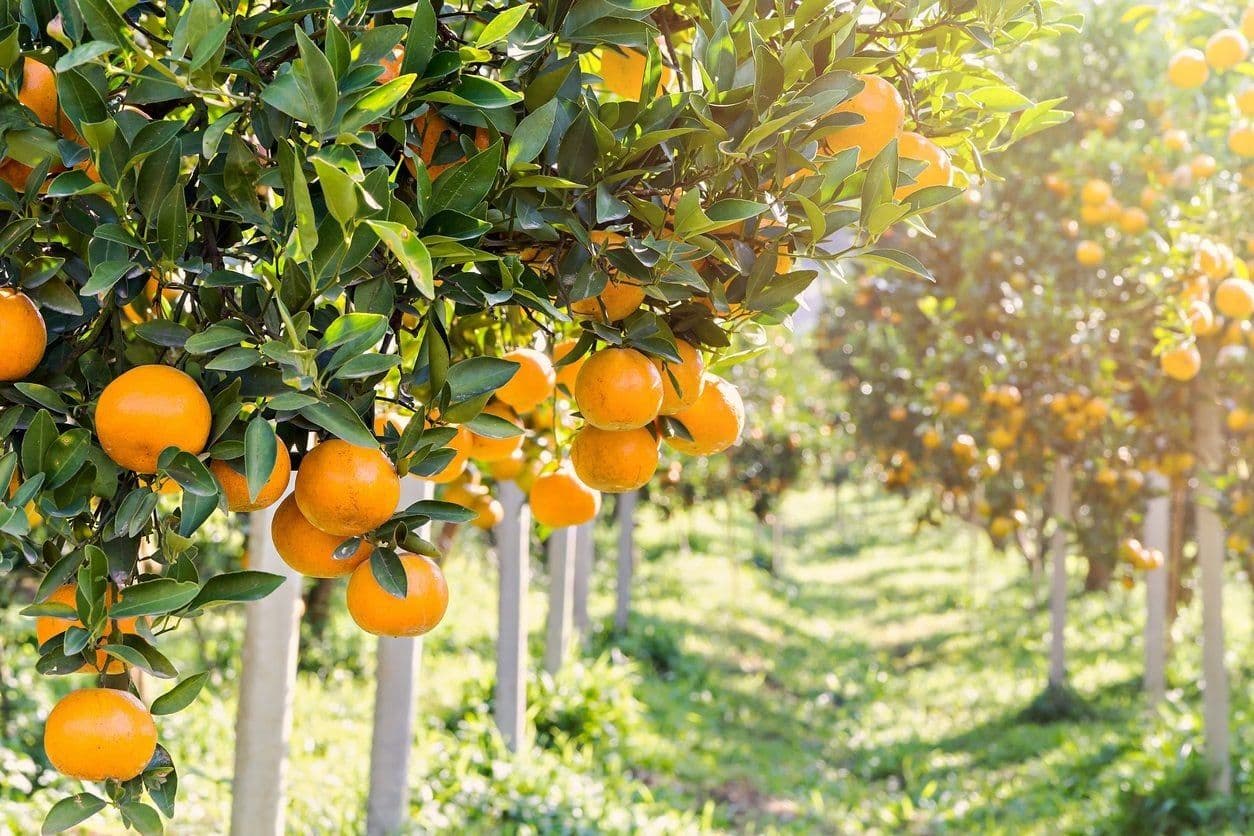
At the southern edge of California, citrus is grown in a landscape of irrigation canals, desert heat and an international boundary. Calexico now has another distinction attached to it: the first confirmed detection of Huanglongbing, commonly called citrus greening disease, in Imperial County.
The detection was confirmed by the California Department of Food and Agriculture and the U.S. Department of Agriculture. A quarantine followed, with the practical purpose of keeping the disease from moving through the county's citrus-growing area. Farm Country California reported the county's first detection and the resulting quarantine.
A Borderland Orchard Gets a New Boundary
For growers, a quarantine is less dramatic than a bulldozer and more persistent than one. It can affect how plant material, tools and other possible pathways of spread move between properties, even as the details of the local order determine what each operation must do.
The county-level detection is part of a larger California problem: HLB is associated with the Asian citrus psyllid, a small insect that can turn routine orchard movement into a disease-dispersal route. The Imperial County confirmation was described as the first in the county by Citrus Insider.
The disease is not a bad year that trees can outgrow. Infected citrus can decline, produce poorly and eventually become uneconomical, while there is no treatment that cures the tree. That is why the response centers on containment rather than a spray program or a quick return to normal.
The Cost of a Sick Tree
Imperial County's citrus growers work in a region where a lost tree is more than a missing trunk in a row. Replanting takes years to restore bearing production, and a disease that moves through an orchard can put harvests, packing arrangements and farm income under pressure at the same time.
The Imperial Valley has also seen how quickly pest and disease concerns become economic concerns. A report from the Imperial Valley Press described HLB as both devastating and incurable, with the new detection prompting a borderland quarantine. The report is here.
For now, the most consequential information for a citrus operation will be in the quarantine's boundaries and instructions, not in the name of the disease alone. Those details govern whether nursery stock, budwood, fruit, equipment or labor movements require additional controls. The order's reach will determine how much of the announcement becomes a daily orchard task.
The next decision point is the formal CDFA quarantine update: growers need the published boundary, compliance requirements and any instructions for surveys or suspected trees before moving citrus material or equipment out of the affected area.