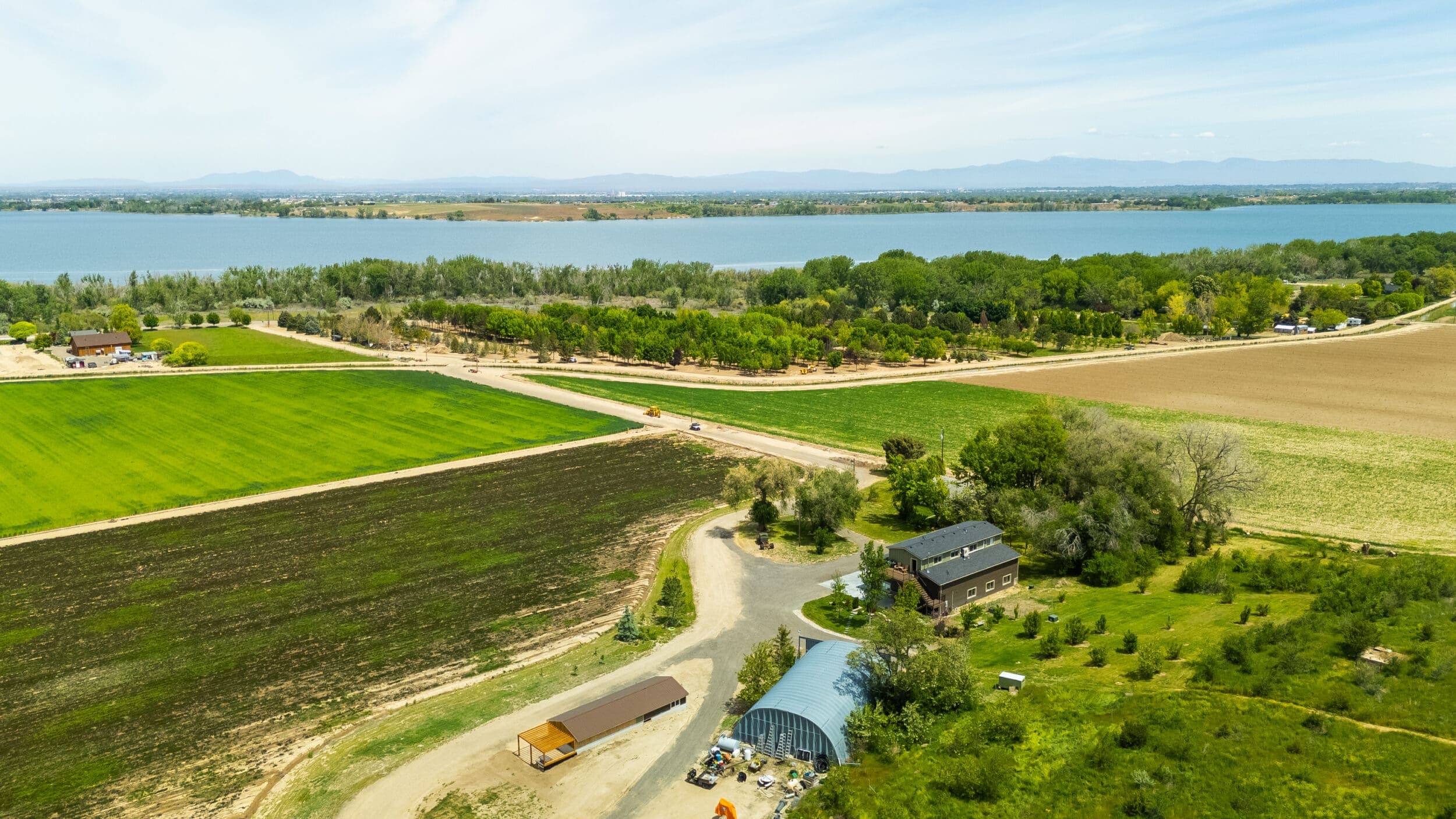
On the Eastern Snake Plain, the most consequential part of the irrigation system is hard to see. Beneath the fields, roads and canal banks, the aquifer holds the water that allows farms to keep making plans after the surface supply begins to thin.
That underground reserve is now at the center of a sharper dispute between groundwater pumpers and senior surface-water users. An updated Idaho curtailment order increases the amount groundwater users must provide or account for to address impacts on those senior rights.
The Plain’s Hidden Irrigation Network
The Eastern Snake Plain Aquifer is not a side reservoir for agriculture in this part of Idaho. It is woven into the region’s irrigation system, with groundwater pumping and surface-water deliveries treated as connected pieces of the same supply. That makes a legal order on pumping relevant far beyond the wellhead.
The pressure arrives during a season when growers are already working with less water. Reporting from the region describes farmers adjusting to reduced supplies, with irrigation decisions becoming a matter of crop management and of how long the available water can be stretched.
More Water on the Ledger
The revised order does not simply ask groundwater users to participate in the same accounting exercise as before. It raises their obligation, increasing the expected gap that must be addressed for senior surface-water users. For a grower relying on a well, that can turn an abstract water-rights proceeding into a question about pumping, replacement water and the acreage that can be carried through the season.
The order affects 924 individual groundwater rights in eastern Idaho, according to local reporting on the curtailment. The number matters because the system’s response will be distributed across many users rather than confined to one large diversion.
For farms, the practical strain is cumulative. A short surface-water delivery can change irrigation timing; a tighter groundwater obligation can limit the backup that would normally fill the gap. The result is less room for error in planting decisions, rotation plans and late-season watering.
The next important details are administrative as much as hydrologic: how the obligations are calculated, how users satisfy them and what options remain available as the season progresses. The continuing irrigation shortfall leaves growers making those calculations with little spare water in the system.