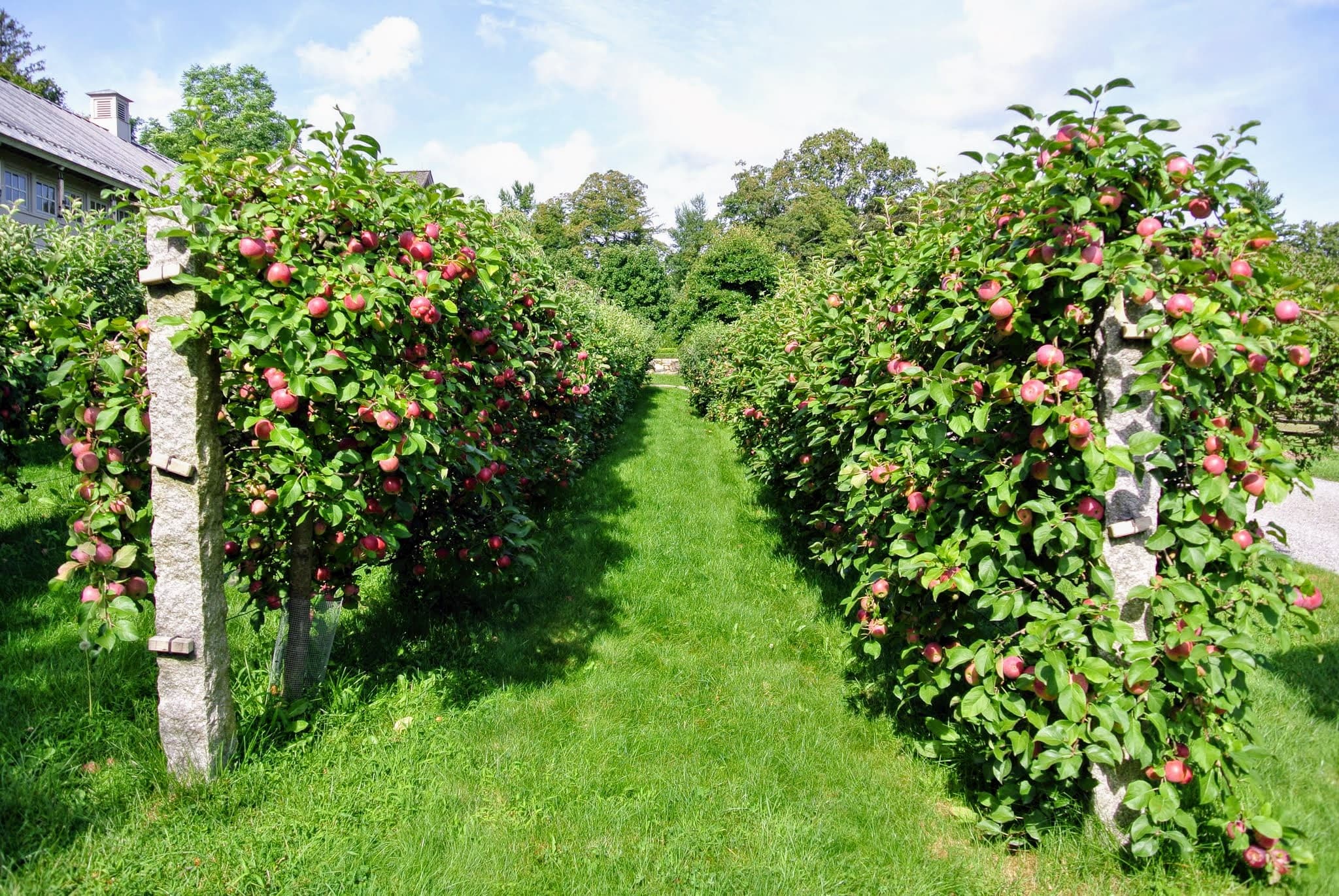
In a New York orchard, the most expensive part of spring can be a flower. A few cold nights arrive after trees have broken dormancy, and the season’s crop can disappear before there is much fruit to see.
That is the backdrop for a federal action announced by Gov. Kathy Hochul: the USDA has approved a disaster designation covering 32 New York counties. The designation follows extreme spring weather that damaged fruit operations across the state, according to the governor’s announcement.
A Loan Program After the Freeze
For eligible fruit and specialty-crop growers, the practical change is access to low-interest emergency loans through USDA disaster assistance. The money is not a replacement crop hanging from the trees; it is a financing option for farms trying to carry expenses through a season with less revenue.
Reports on the designation identify growers in Western New York, the Finger Lakes, the Hudson Valley, and the Capital Region among those who may benefit. Eligibility still depends on the farm’s location, crop losses, and the requirements of the USDA loan process.
The scale of the damage is already large. The spring frost caused more than $30 million in crop losses for New York growers, with apples, grapes, and stone fruits taking the hardest hit, according to local reporting on the losses.
Perennial Crops Do Not Reset in a Week
For annual crops, a bad start can sometimes be followed by a new planting. Fruit growers have fewer clean resets. A damaged bloom can mean an empty harvest window, while pruning, pest management, labor, land payments, and equipment costs continue on schedule.
That mismatch is why emergency credit matters even after the weather has moved on. The orchard may look green again, but the farm’s cash flow can still be missing the crop that was supposed to pay the bills.
Growers considering the program will need to confirm that their county and operation qualify, assemble records of the affected crop and financial loss, and contact the appropriate USDA Farm Service Agency office. Recent coverage describes the assistance as low-interest emergency loans for eligible farms, rather than a blanket payment to every producer in the designated area.
The declaration changes the financing available to affected farms, but it does not answer every operational question. Application timing, documentation, loan terms, and the treatment of individual orchards or vineyards will depend on USDA guidance and case-by-case review.