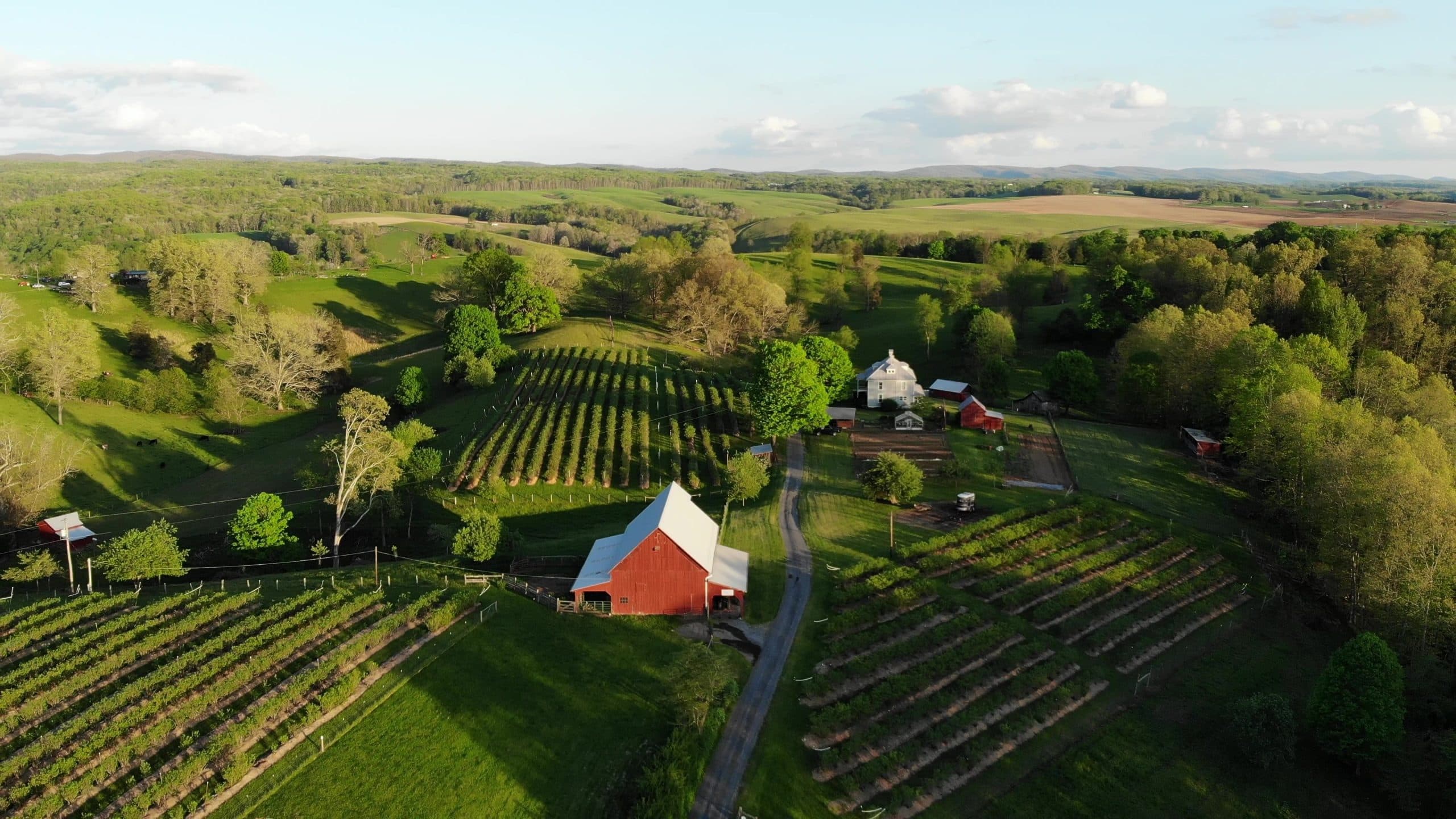
At Way Fruit Farm in Halfmoon Township, July usually brings apples hanging through the orchard and customers arriving for the you-pick season. This year, the trees are carrying little fruit. The rows are still there; the usual work of filling baskets is not.
That gap is now being met with public money. Pennsylvania's 2026-27 state budget created the Freeze Disaster Assistance program, a new fund intended to help fruit growers recover from the spring event. The program was established in the state budget, giving farms a possible bridge after a season in which much of the crop could not be sold.
An Empty You-Pick Orchard
For specialty-crop farms, a lost harvest does not erase the costs that came before it. Trees were pruned, fields were managed, labor was scheduled and farm stands or customer calendars were built around fruit that never reached maturity. At Sand Hill Berries, the owner described the effect on the harvest as devastating. Many Pennsylvania growers lost nearly all of their strawberries, turning what should have been a short, intense sales window into a financial hole. The freeze damage reached berry farms as well as orchards.
This is actually normally our ‘you pick’ orchard.
Jason Coopey, owner of Way Fruit Farm
Coopey's sentence is plain because the missing fruit is plain. A farm can keep its doors open, its irrigation running and its customers informed while the central product of the season disappears. For growers selling fresh fruit, there is little inventory to carry forward and few easy substitutes once the harvest window closes.
The Cost of a Short Season
The new assistance is aimed at that mismatch between ongoing farm expenses and absent revenue. The state has set aside $10 million for affected fruit growers, according to coverage of the program and its rollout. The money cannot put blossoms back on the trees, but it can give farms room to absorb a season that arrived with very little to pick.
The practical question now moves from weather to administration: which operations qualify, how losses will be documented and when payments will arrive. Those details matter most on farms with narrow margins, where a missed crop can affect payroll, future plantings and the ability to maintain customer-facing businesses through the rest of the year.