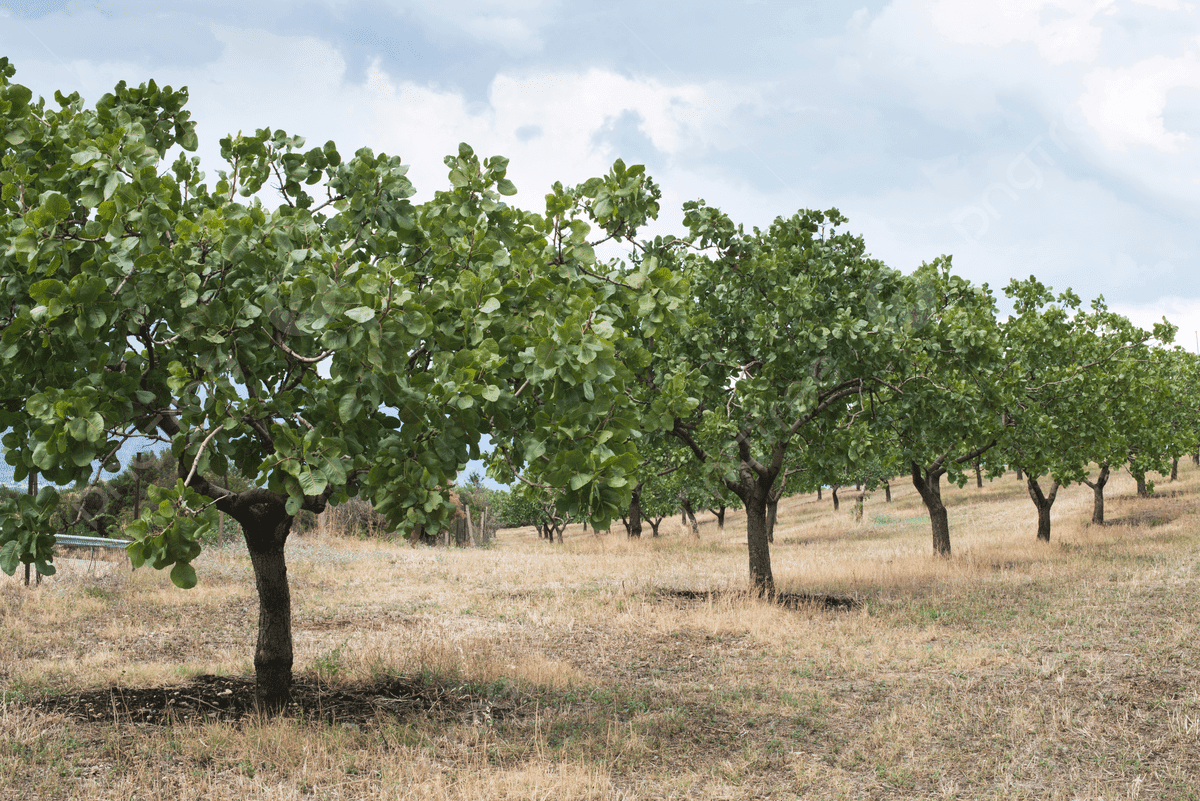
A pistachio orchard can turn a water question into two readings: one from a pressure sensor on the irrigation system, another from a probe in the root zone. The numbers are tidy. The decisions they inform are not.
That tension sat behind an industry insights event hosted by American Pistachio Growers, where current market conditions gave growers something to discuss besides the trees themselves. The organization’s gathering came as the crop’s commercial momentum met a more physical constraint: an orchard cannot sell nuts it cannot bring through the season. The event and its market focus put that collision in plain view.
A Crop Accelerated by the Weather
The 2026 outlook has been moving faster than a calendar would suggest. Warm winter and spring temperatures accelerated pistachio development, while early snowmelt raised the possibility that less water will be available later, when trees still have work to do. Bloom conditions added another layer of uncertainty to final yield estimates, and pest activity arrived early enough to join the forecast.
Those are not separate nuisances lined up neatly on a spreadsheet. Early development can alter the timing of irrigation and crop decisions, while an uncertain bloom makes it harder to know how much production the orchard will ultimately carry. The early-season weather and water outlook describes a crop already being shaped before harvest machinery enters the rows.
Water Is the Limiting Line
For pistachio growers, water scarcity remains a production constraint rather than a distant climate statistic. California operators are also working through groundwater restrictions, evolving regulations, rising input costs, and shifting export markets, a stack of pressures that makes each irrigation decision carry a little more financial weight. The broader cost and water pressures facing California pistachios show why a strong market alone cannot settle the farm’s arithmetic.
That arithmetic is especially awkward for a perennial crop. Trees commit growers to years of biological and capital investment, while available water can change from one season to the next. Market momentum may encourage continued production, but the orchard’s practical ceiling is set by what can be delivered to its roots.
The Orchard Gets More Measured
This is where irrigation equipment becomes less like farm plumbing and more like a record-keeping system. Pressure sensors can verify whether water is arriving as intended; soil-moisture probes show what remains in the root zone. Field examples of those tools in pistachio irrigation point toward decisions based on orchard conditions rather than habit alone.
Production forecasts will matter beyond the harvest estimate. A weaker crop can change how growers handle existing inventory and post-harvest planning, while a firm market can make those choices more consequential. One 2026 crop assessment is already urging lower-production expectations and careful inventory management, though the final picture will depend on how the season finishes.
For now, the industry is carrying two kinds of uncertainty at once: what the market will reward and what the water supply will permit. Pistachios may have room to keep their commercial momentum, but the trees will still require a workable irrigation plan, and the season has not made that plan simple.