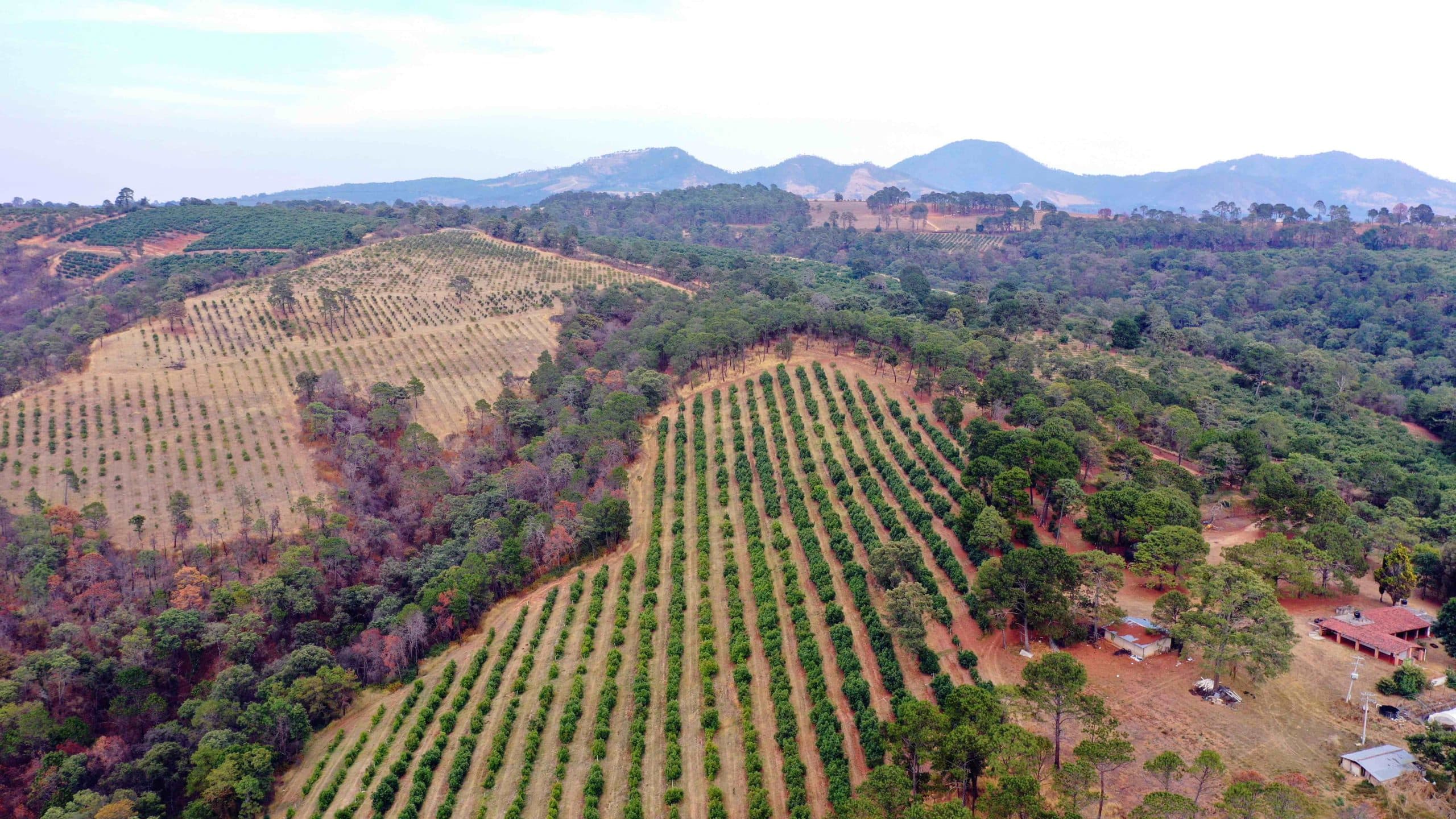
A bin of avocados in a U.S. produce aisle is a small map of North American agriculture: fruit from Mexico and California arriving under the same retail lights, with the market asking for more of it every year. The avocado’s journey is mostly invisible by the time the fruit reaches the display. The pricing pressure is not.
Fresh avocado demand in the United States continues to grow while production from Mexico and California rises, a combination that is expanding the market and complicating the choices behind it. Rabobank’s North American avocado outlook projects a strong 2025/26 season, suggesting that growers are entering a market with room for volume but little tolerance for careless timing.
A Bigger Market With More Moving Parts
For growers, a strong season is not the same thing as an easy one. More fruit can help meet consumer demand, but it also gives buyers more ways to shift origins, specifications, and purchase windows. The result is a business where orchard decisions made years earlier meet weekly questions about supply and price.
California is preparing for a 330-million-pound crop in 2026, according to industry projections reported by FreshFruitPortal. That crop will add domestic volume during its harvest window, while Mexican fruit remains central to the year-round U.S. supply picture.
The calendar can still turn a broad market into a narrow one. A June report described limited Mexican availability, higher field prices, and strong U.S. demand creating tension for shippers and buyers, with Mission and Westfalia declaring force majeure on contracts. That episode is a useful counterweight to the larger supply story: more production does not guarantee an even flow of fruit.
Policy Arrives at the Orchard Gate
Policy shifts and organic growth are changing the landscape as well. For avocado operations, that can reach into market access, certification choices, labor and water planning, and the question of which buyers are worth building a relationship with. Organic production may open particular channels, but it also brings its own costs and production constraints.
Mexico’s industry has said it intends to maintain continuous U.S. supply through the seasonal transition and the 2026–27 season, a position that puts reliability alongside volume in the market’s sales pitch. The supply commitment matters because buyers are not simply looking for avocados; they are trying to keep programs filled when one production region is between harvests.
That makes diversification a practical consideration rather than a fashionable word. Growers and packers will be watching how origin, fruit size, production system, and delivery timing affect returns, especially as buyers try to keep shelves supplied across the year. The strongest position may belong to operations that can describe their fruit clearly and deliver when the market expects it.
For now, the avocado market is growing in two directions at once: consumers are pulling more fruit through the system, while producers and shippers are adding supply and adjusting to a more policy-sensitive trade. The next useful signal will be less dramatic than a headline crop estimate—the way contracts, field prices, and shipping schedules behave when the next harvests overlap.