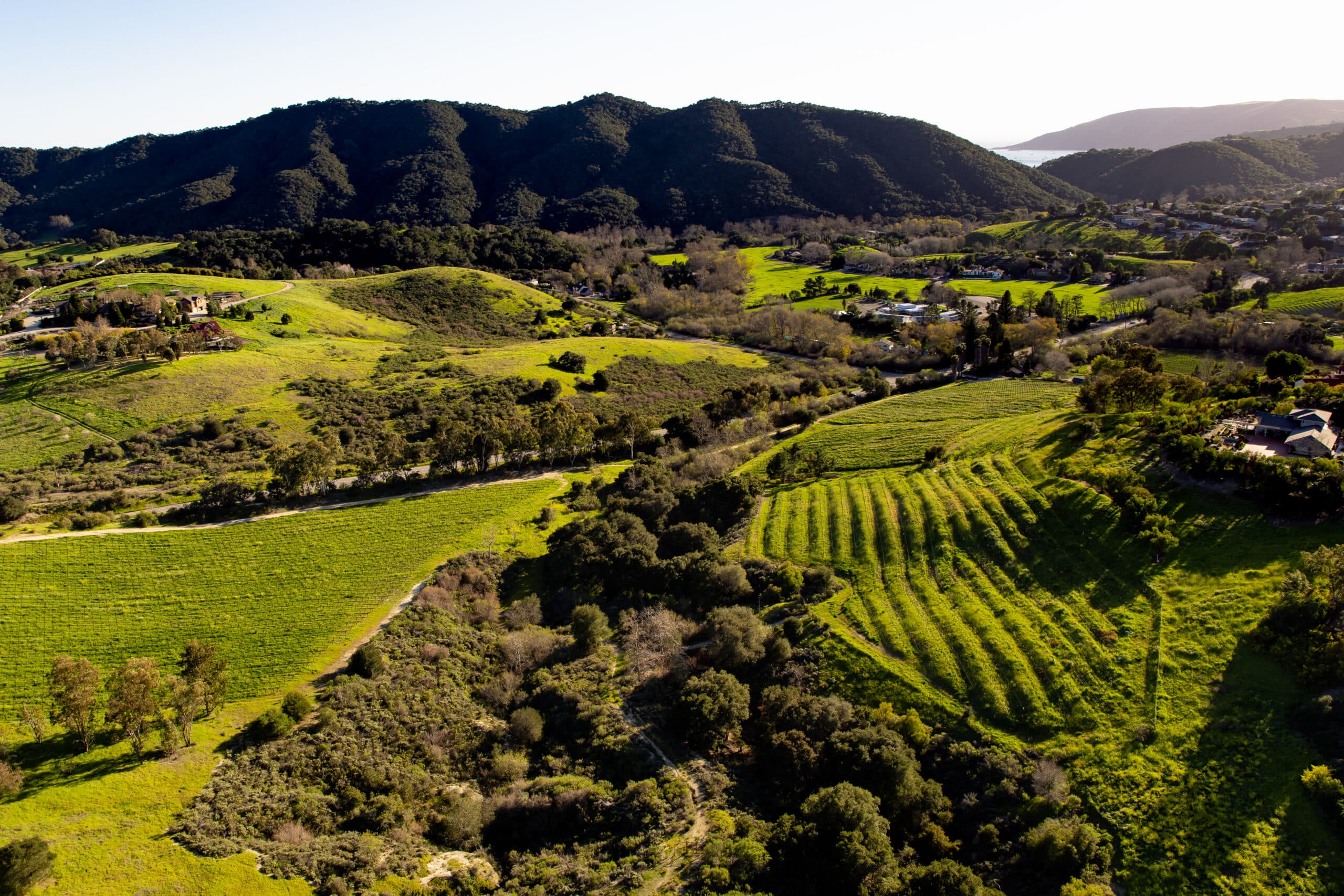
In San Luis Obispo County, late August has begun to look like harvest season. Vineyard crews are bringing in wine grapes while the calendar still has plenty of summer left, a consequence of heat waves that accelerated the crop toward the winery.
The usual rhythm was easy to remember: grapes generally reached harvest in late September. This year, some vineyards began picking as early as late August, a shift documented by the San Luis Obispo Tribune. For a crop whose chemistry changes by the day, a month is not a small adjustment.
The Calendar Moves Into the Vineyard
Earlier harvest does not simply mean earlier truckloads. Growers and winemakers have to decide when the fruit has reached a workable balance of sugar, acidity and flavor, then fit those lots into picking crews, winery space and fermentation schedules. Heat can hurry one part of that equation while leaving another behind.
The broader California crop has been moving in the same direction. An unseasonably warm March and spring weather brought an early wine grape harvest statewide, while many vines developed smaller clusters. That combination puts pressure on both the date of harvest and the amount arriving at the crush pad.
A Smaller Window for Judgment
For San Luis Obispo vineyards, the concern is less about a single early morning than about what the compressed season does to the finished crop. Fruit coming in ahead of schedule may change wine quality, and lower yields are also possible when heat advances ripening faster than the vineyard can build a full crop.
The pattern is visible beyond the county line. Sonoma County reported its earliest wine grape harvest in at least 40 years, and Napa Valley wineries also started picking weeks earlier than expected after a warm spring. California wine country is finding that harvest can arrive before the usual labor, cellar and marketing routines have caught up.
That leaves each vineyard with a more local question: which block is ready, and ready for what? A sparkling-wine lot, a coastal Pinot Noir block and a warmer red-grape planting do not necessarily share the same useful harvest point. The early season makes those distinctions harder to postpone.
What the Heat Leaves Behind
The 2026 harvest will give SLO County wineries their first practical measure of the heat's effect. Once fruit is crushed and fermentation is underway, the industry can compare the early lots with the quality targets set before the season accelerated. Yield will be counted in bins and tanks; quality will take longer to explain.