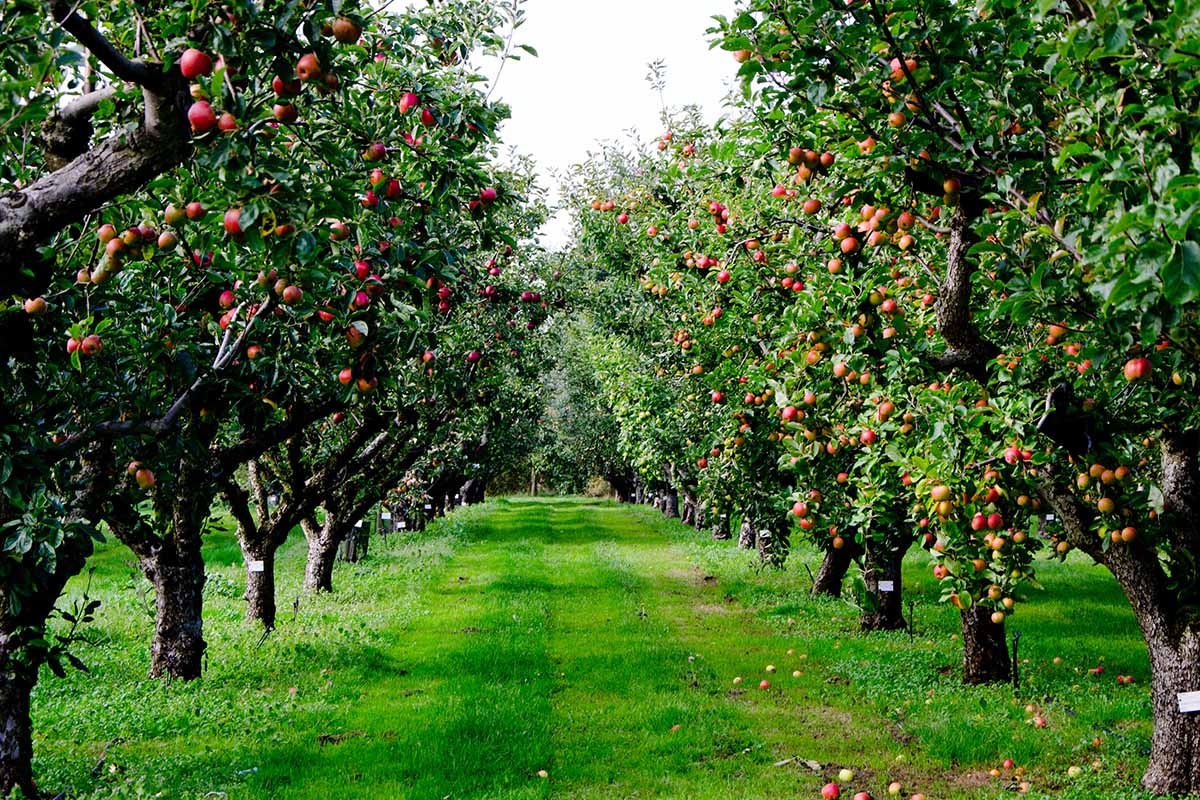
By late July, an orchard can look deceptively ordinary: parallel rows of trees, grass beneath them, and the season's work still arranged around what the weather allowed to remain. The difficult accounting often sits out of sight—in missing fruit, damaged vines, and bills that did not disappear with the crop.
For New York fruit farms, a new federal designation creates a route to borrowed capital after an unusually costly spring. The assistance is a loan, not a payment for every bushel that failed, which makes the terms and eligibility matter as much as the headline.
A Disaster Designation With County Lines
The U.S. Department of Agriculture has approved a disaster declaration covering 32 New York counties, allowing eligible farmers in those areas to apply for emergency loans. The governor's announcement describes the designation as a response to significant crop losses from extreme spring weather.
The county boundary is the practical hinge. A farm can be dealing with the same unsettled season as its neighbor and still face a different path to assistance if it falls outside the designated area. The declaration determines who can enter the emergency-loan process; it does not erase the ordinary work of showing that the farm qualifies.
Fruit Losses Become Financing Needs
State officials estimate the weather damage at more than $30 million across affected crops. Local reporting identifies the losses as stemming from spring conditions that hit growers before the season had much chance to make up the difference.
The eligible crops include apples, grapes, and stone fruits—farm products with long production calendars and expenses that arrive well before harvest revenue. Emergency loans give growers a way to put cash back into the operation while they recover, with low-interest federal financing available to those who meet the program's requirements.
That distinction is easy to flatten in a press release. For a fruit farm, recovery can mean carrying payroll and maintenance through a thin harvest, replacing damaged production inputs, or simply keeping the orchard and vineyard in working order until a fuller crop returns. The declaration opens the door to that conversation; it does not predict how quickly any individual farm will regain its footing.
The Next Step Is Farm by Farm
Growers who believe they are covered will need to work through the USDA application process and establish that their losses and operations fit the declaration. The available reports identify the loan opportunity and the affected crops, but do not provide a single statewide timetable or a guaranteed loan amount for each farm.
That leaves the most consequential details—documentation, processing time, and the final terms—at the farm level. The weather event may have been shared across a region; the recovery plan will not be.