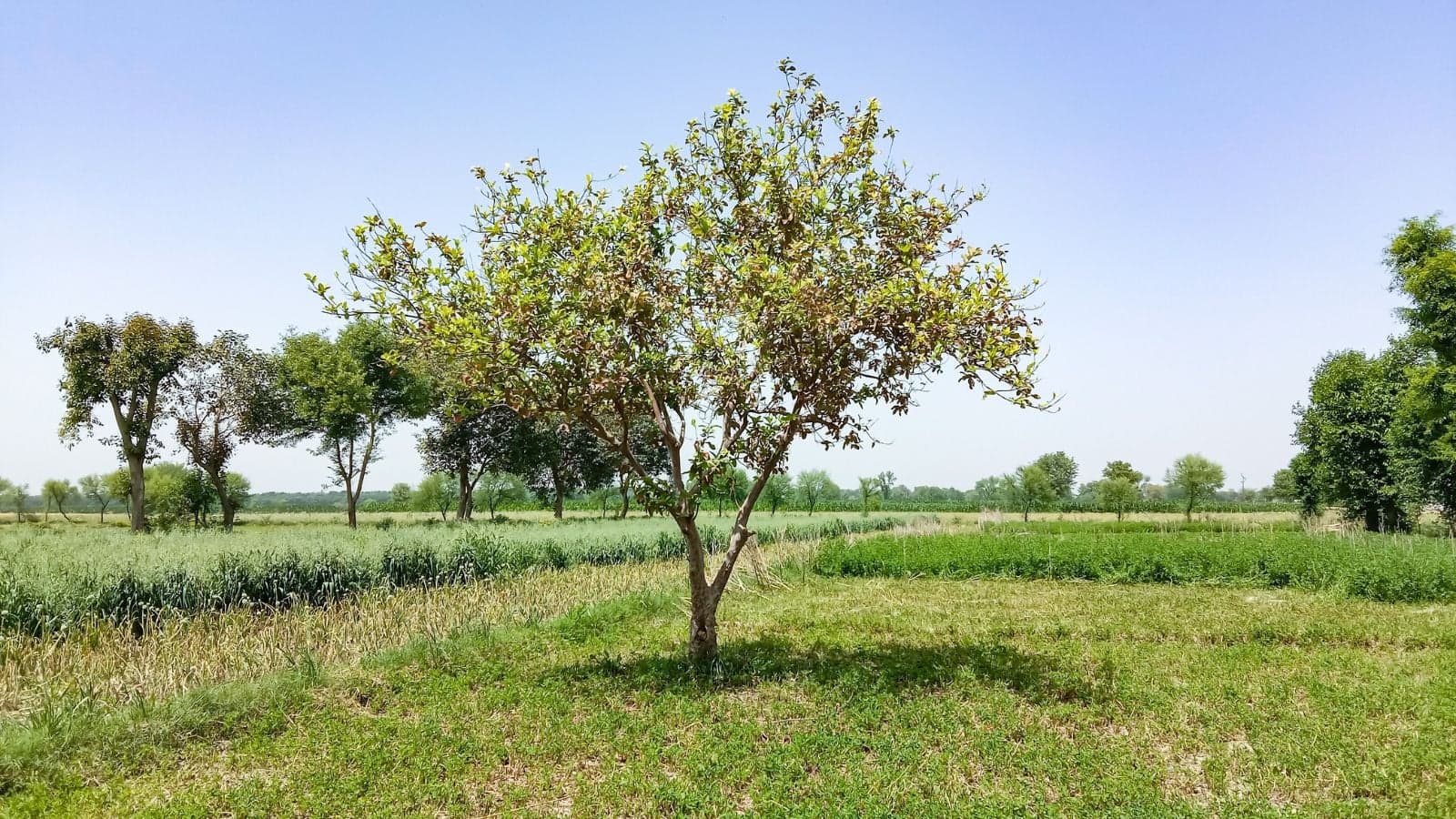
A guava can look perfectly serviceable on the tree and become a negotiation with gravity, bruising, and discoloration soon after harvest. Its window from firm fruit to unacceptable fruit is narrow enough that every extra day matters to the people sorting, packing, and selling it.
That is the setting for a new study of 'Pearl' guava, which tested ascorbic acid and melatonin together during storage. The researchers report that the combination significantly reduced browning and weight loss, two visible signs that a lot is moving in the wrong direction. The study was published in npj Science of Food.
A slower slide after harvest
Browning is more than a cosmetic nuisance. It changes how buyers read the fruit, while weight loss can mean less saleable product by the time guavas reach a market. For a crop with high perishability, slowing both processes could help preserve the value created in the orchard.
Ascorbic acid is familiar as an antioxidant, while melatonin is better known outside the packing shed for its role in animal biology. In the guava study, their combined use was associated with stronger antioxidant activity during storage, according to the researchers' report.
The treatment also affected cell wall metabolism. That matters because the fruit's texture depends on the structure of those walls; as storage proceeds, the walls change and the flesh loses the firmness that makes a guava easier to handle and sell.
From treatment room to packing line
The practical appeal is straightforward: a postharvest intervention could give handlers more control after the fruit leaves the tree, when temperature, transport, and storage begin to determine whether a harvest arrives as fresh produce or as a discount problem.
The result is not yet a ready-made packing-house recipe. The available research summary does not establish a commercial dose, application method, storage target, or cost for the combined treatment. Those details will decide whether the approach fits ordinary guava operations rather than only a controlled study.
For growers, the useful question is therefore less whether the ingredients sound familiar than whether the treatment can be repeated reliably across harvest lots. Fruit maturity, handling damage, storage conditions, and market transit all have room to turn a promising laboratory result into a less tidy field outcome.
The study gives guava handlers a lead worth following: protect the fruit's color, mass, antioxidant defenses, and cell-wall behavior at the same time, instead of treating browning as an isolated surface problem. Further validation will determine how far that lead travels.