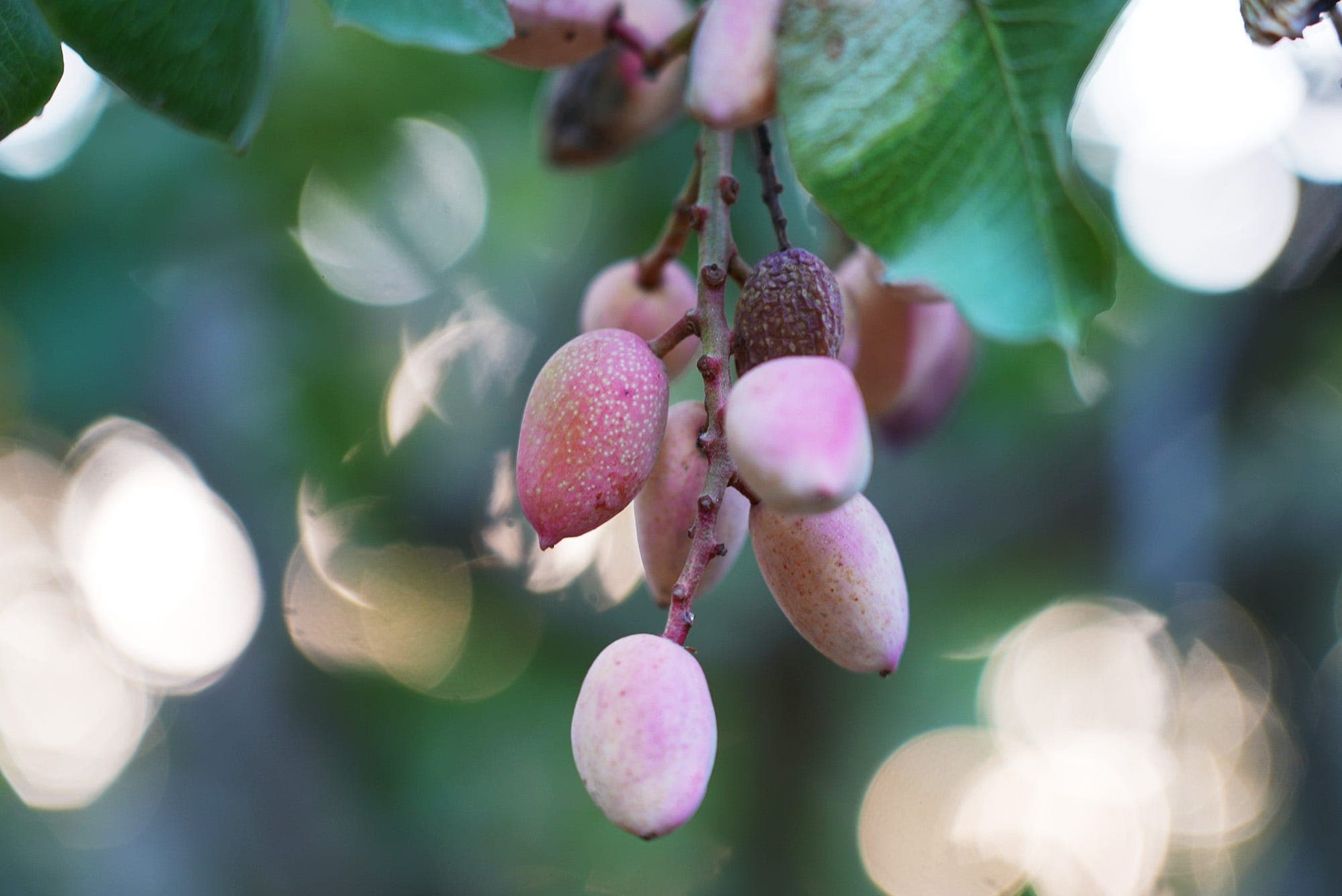
A pistachio orchard is quiet in the way orchards often are before a pest problem becomes visible: rows of trees, a little dust, and no obvious sign of the insects tucked into the crop. Gill’s mealybug works on a less theatrical schedule. By the time a grower can see the consequences, the useful treatment window may already feel like something that happened last week.
That timing is the subject of a study from researchers at California State University, Bakersfield, who evaluated early-season insecticide treatments for Gill’s mealybug in pistachios. The work is published in Arthropod Management Tests, a venue built around the practical question of what happens when a control is put to work in a crop rather than discussed in the abstract.
The Pest Before the Damage
For pistachio operations, mealybug management is tied to the part of the business that arrives much later: clean, marketable nuts and a crop that pays for the water, pruning, labor and years of waiting behind the trees. Effective management of Gill’s mealybug is therefore less about chasing an insect for its own sake than protecting crop quality and yield.
The study’s emphasis on early-season treatments puts the calendar at the center of the problem. An insecticide decision made early can shape what growers have available later, including how they use labor and how they fit pest control into the rest of the orchard schedule. The paper evaluates that early intervention; it does not, from the information available here, provide a universal recipe for every California block.
That distinction matters in pistachios, where orchards differ in age, canopy structure, pest pressure and treatment history. A treatment that looks useful in a trial still has to survive the ordinary complications of commercial agriculture: equipment access, weather, label directions, residue requirements and the inconvenient fact that insects do not arrange themselves according to a farm’s spray calendar.
A Treatment Window, Not a Calendar Date
The practical value of the research will be in how clearly it separates an early-season treatment that suppresses Gill’s mealybug from one that merely arrives early. Growers will need the study’s treatment rates, timing, efficacy measurements and crop-safety observations before translating the results into a program for a San Joaquin Valley or southern Central Valley orchard.
Those details are the difference between research that changes a spray decision and research that sits neatly in a PDF. The published study record identifies the crop, pest and early-season focus, while the full trial results are the necessary next stop for anyone comparing products or planning a block-specific program.
For now, the useful signal is narrower but still practical: Gill’s mealybug belongs in early-season scouting and planning, before growers are forced to make a rushed decision around a visible problem. California pistachio growers can use the study as a prompt to review the complete methods and confirm that any treatment fits current California Department of Pesticide Regulation requirements and the product label.