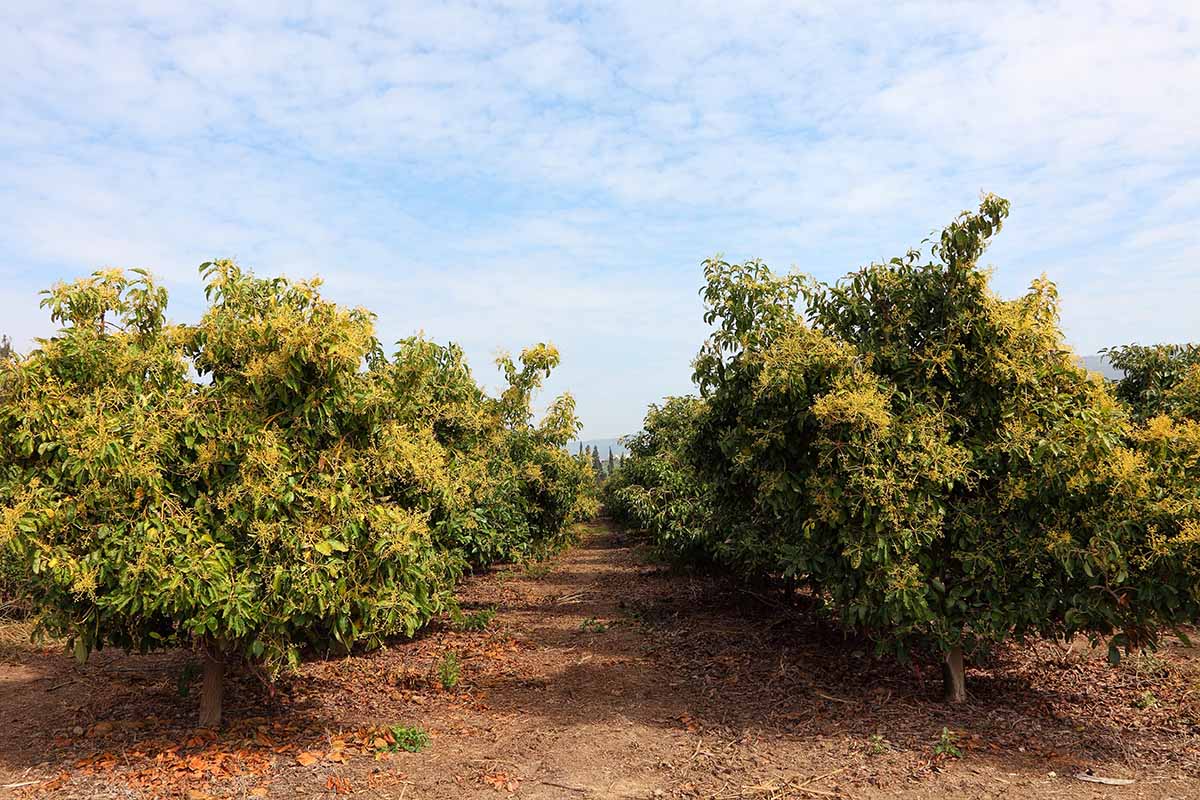
An avocado orchard is a study in patience: rows of dark-leaved trees hold fruit for months before a picker, a packer, and a refrigerated container turn that patience into a sale. Somewhere beyond the orchard, European produce buyers are making those containers part of a much larger pattern.
The European Union's fruit imports reached $77.42 billion in 2025, up 20% from the previous year, according to FreshFruitPortal's report. The bloc accounted for more than 40% of global fruit imports, serving a consumer base of more than 440 million people.
A Market Big Enough to Move Crops
Those figures describe more than a prosperous grocery aisle. They describe a destination market large enough to influence planting decisions well beyond Europe, especially for growers whose crops depend on long-distance trade. A bigger import channel can create room for new suppliers, steadier programs, and fruit that arrives outside a domestic harvest window.
The purchases were led by bananas, avocados, and grapes, according to Tridge's account of the trade data. The mix matters because these crops already have established supply chains; buyers are not building a market from scratch, but expanding one with familiar handling, ripening, and retail routines.
For growers, that distinction is useful. Demand alone does not make a shipment profitable. Fruit still has to meet a buyer's size, maturity, appearance, residue, and arrival standards, and the crop has to survive the trip with enough value left after packing and freight.
The Long Trip Is Part of the Crop
Imported fruit is a logistical crop as much as a field crop. Harvest timing has to line up with vessel schedules and distribution windows; a good block can lose its advantage if a delay turns firm fruit into a discount lot. That makes the European opportunity most useful to farms that can manage consistency rather than simply produce one heavy harvest.
The growth also gives exporters a reason to look past the size of the headline. A broad import total can hide differences among countries, varieties, seasons, and quality grades. The European Commission's trade-statistics portal lets users examine EU trade by reporter, partner, year, and commodity code—the less glamorous work behind deciding where a crop might actually fit.
That is where the opportunity becomes practical. A grower considering European sales will need a buyer with a defined program, a packhouse able to hold specifications, and a route that preserves condition. The strongest demand signal may be the first step, but it is not the final price.