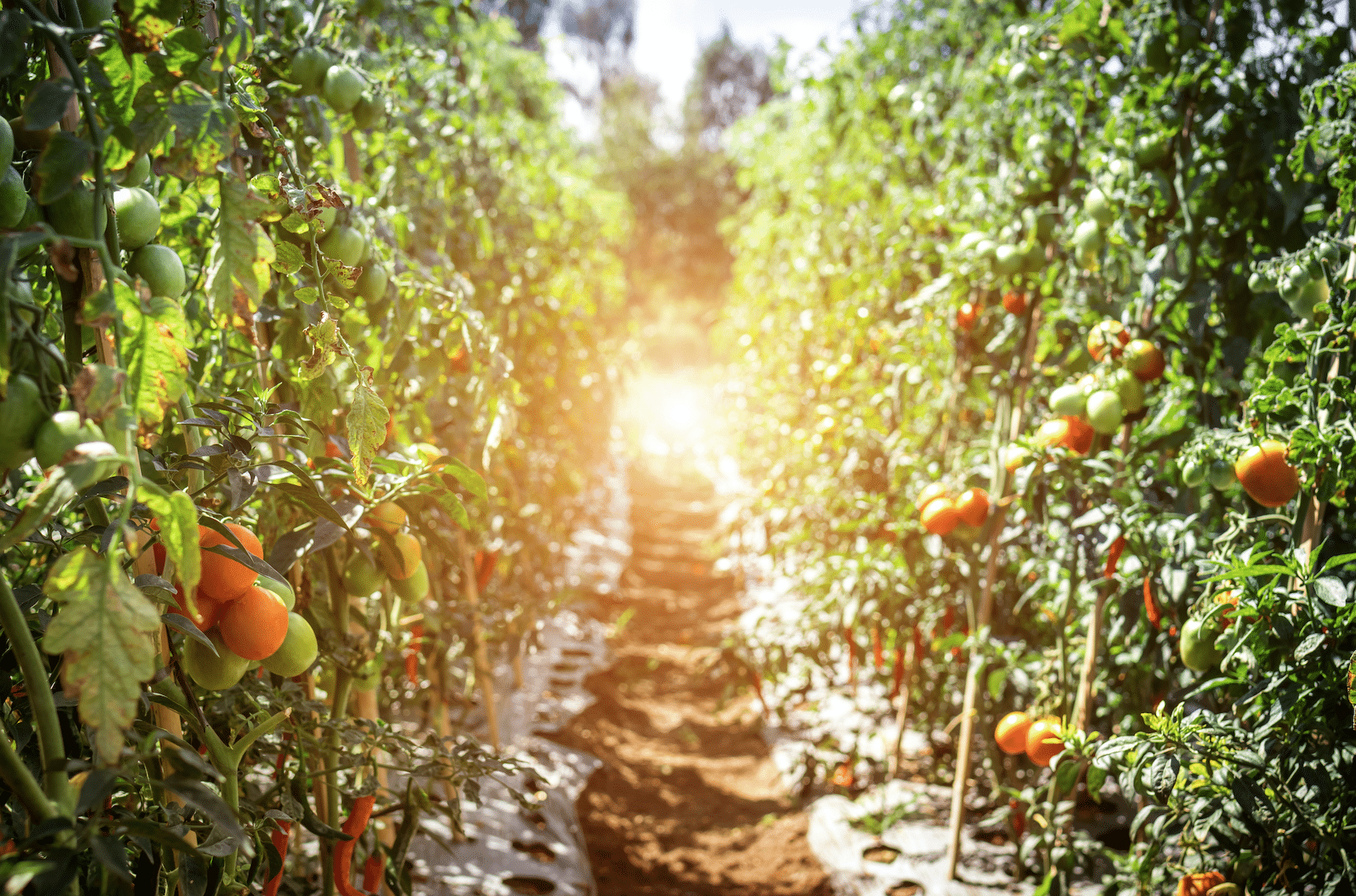
A tomato plant has no thermostat for a sudden blaze of sunlight. It has something quicker: a molecular switchboard that begins rearranging its instructions while the leaves are still taking the hit. That response is part of what researchers are now tracing in plants exposed to high light.
The new study, published in Plant Growth Regulation on July 21, 2026, describes dynamic transcriptional responses in tomato plants under high light. Transcription is the step where genetic information is copied into working instructions, so the finding concerns more than visible symptoms such as curling or bleaching.
For growers, the useful wrinkle is that the light response does not end at the greenhouse roof or field edge. The researchers identified mechanisms that influence postharvest traits in tomato fruits and leaves, linking what happens during production with how plant material behaves after picking.
The Plant Changes Course Before the Fruit Leaves
High light is often treated as a weather problem or a crop-load problem: something to shade, ventilate, irrigate around, or endure. This work puts it in a different category as well. Light is an input that can alter the plant’s internal instructions, with consequences that may show up later in storage, handling, or market quality.
That timing matters. A fruit’s postharvest performance is partly set before harvest, when the plant is allocating resources and adjusting to its environment. Leaves are involved too, which makes the response relevant to the machinery that supports fruit development rather than to the fruit alone.
The result fits a broader shift in plant science away from treating genes as fixed scripts. Researchers at Bielefeld University and the Australian National University recently reported that plants can adjust protein production within minutes of intense sunlight, before changes in nuclear gene activity become apparent.
Quality Begins Before the Packing Line
The tomato study does not turn a light meter into a flavor meter. It does, however, give growers a biological reason to pay closer attention to light intensity and duration alongside the usual production records. Shade cloth, greenhouse coverings, supplemental lighting, and canopy management may affect more than yield and plant appearance.
Another recent tomato study found that DNA hypomethylation can permit a transcriptional repressor to control fruit flavor ester biosynthesis. Taken together, the research points toward a fruit whose eventual quality depends on a chain of molecular decisions made well before it reaches a cooler.
The practical opportunity is a more deliberate set of light trials: compare exposure levels, record harvest and storage outcomes, and keep the crop’s developmental stage in the notes. The researchers’ findings can help growers optimize growing conditions for better tomato quality after harvest, though the paper does not replace local testing.