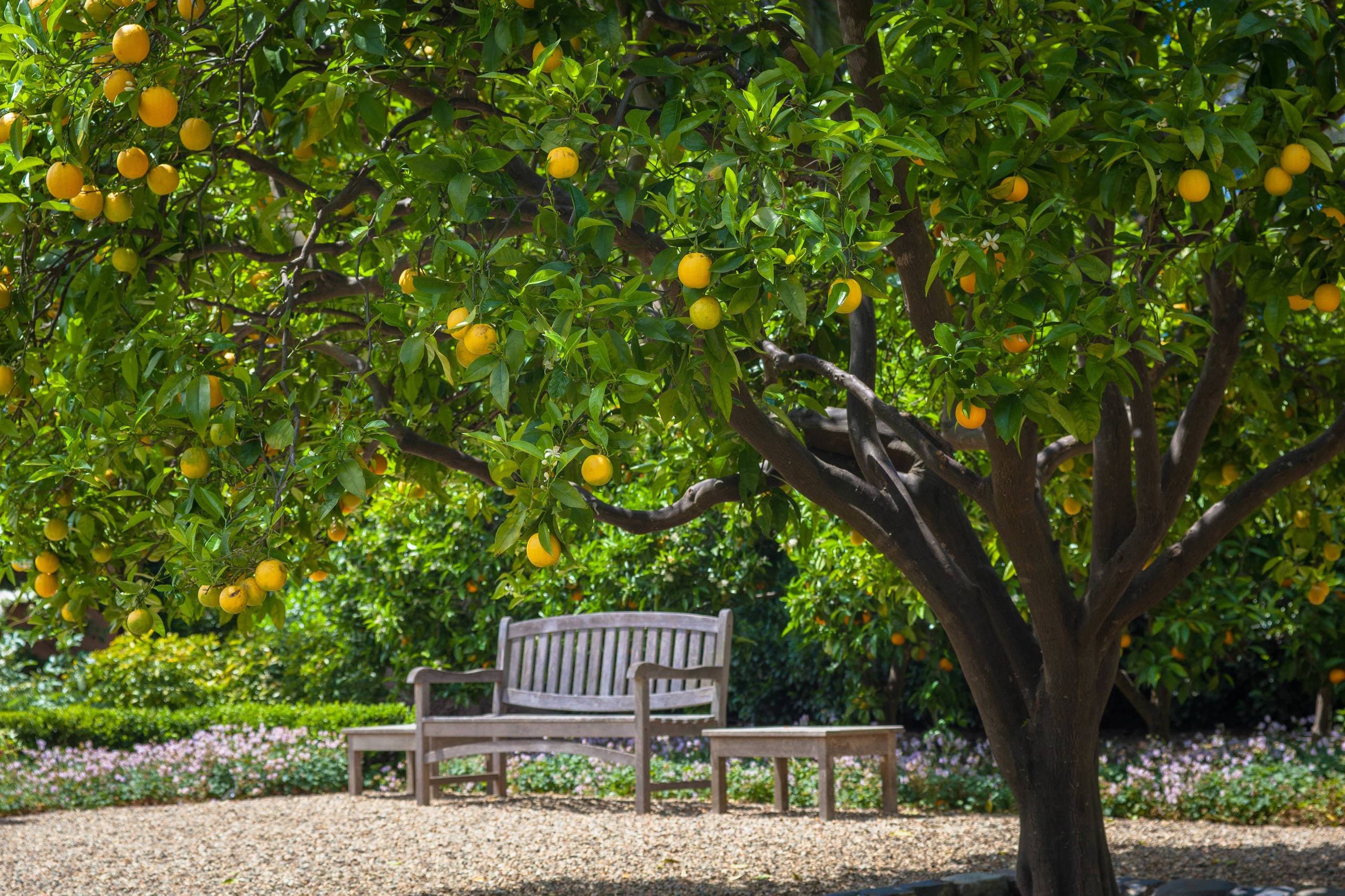
A citrus tree in Fallbrook has become the small, leafy center of a much larger regulatory map. The tree tested positive for huanglongbing, or HLB, a disease that has made ordinary-looking backyard citrus an unusually consequential thing in California.
After the confirmation, the California Department of Food and Agriculture expanded the quarantine boundary in San Diego County. The move reaches beyond the individual property: citrus growers and nurseries in the county are among those affected, as CDFA works to contain HLB before it moves through commercial and residential citrus.
A Larger Map Around Fallbrook
The expansion also includes Asian Citrus Psyllid Bulk Citrus Regional Quarantine Zone 6. That pairing matters because the quarantine is addressing both the disease and the citrus pest associated with its spread, rather than treating the Fallbrook detection as an isolated tree problem.
CDFA’s statewide plan treats Asian citrus psyllid and HLB as a linked pest-and-disease challenge, with the Citrus Pest and Disease Prevention Division coordinating the response. The plan is less a single treatment recipe than a framework for keeping infected plant material and the insects that can carry the disease from traveling freely through California’s citrus network. CDFA’s action plan lays out that statewide approach.
The Compliance Question Moves to the Orchard Gate
For San Diego citrus operations, the practical issue is now location. A grove, packing point, nursery block, or load of bulk citrus may sit inside a regulated area even when the original detection was on a residential tree. The expanded boundary makes the county’s quarantine map part of routine decisions about citrus movement and handling.
The available reports describe the boundary change and its inclusion of Zone 6, but do not provide a complete operation-by-operation list of requirements. That leaves the exact effect on a particular San Diego County property dependent on its location within the revised boundary and on CDFA’s applicable quarantine instructions. A separate report on the county expansion describes the Fallbrook detection and the related citrus restrictions.
That is the awkward arithmetic of citrus quarantines: the first visible sign may be one tree, while the work of containment falls across orchards, nurseries, haulers, and other businesses that move or handle citrus. For growers, the boundary itself is now as important as the tree that prompted it.