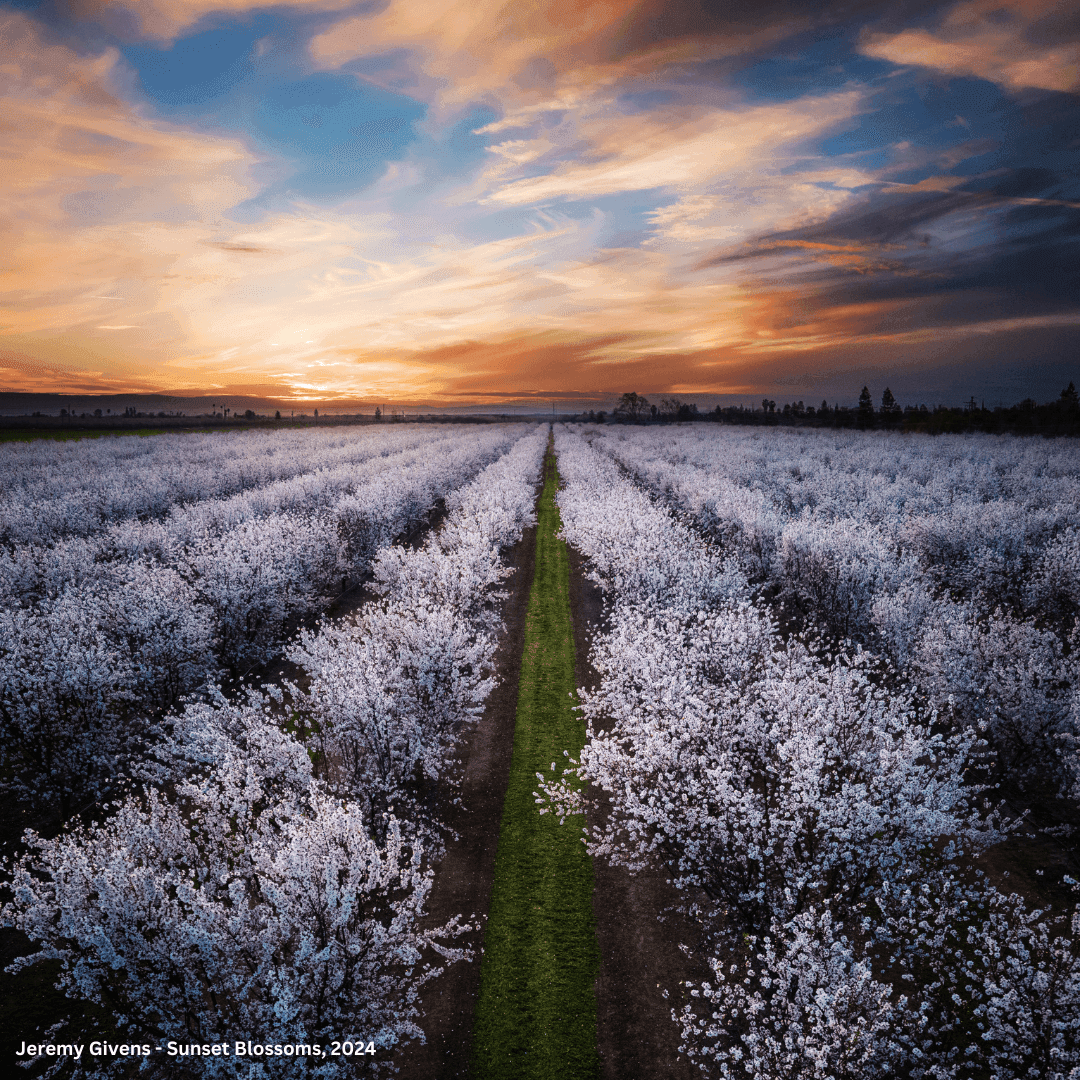
At the edge of an almond orchard, the canopy keeps a quiet ledger. Leaves collect sunlight, and the tree turns that energy into reserves for the crop still to come. A red leaf is a small entry in that account; a bare branch is a much larger one.
That ledger is under pressure in California orchards, where severe red leaf blotch infections have been reported. The disease can lead to defoliation, turning a problem that begins in the leaves into a question about how well trees carry themselves into the next growing season.
A Canopy Problem With a Long Tail
The immediate visual symptom is easy to understand: less leaf area. The harder part is what the tree loses along with it. Defoliation can deplete carbohydrate reserves and reduce the number of fruiting buds available for the next season, according to the disease report.
The timing gives the issue its weight. An orchard may look as if it has suffered a bad leaf year, while the more consequential effect arrives later in the form of fewer productive sites. That lag can make red leaf blotch harder to judge from a single walk through the block.
Timing Is the First Control
The practical response is not especially glamorous: timely fungicide applications and orchard sanitation are critical parts of management. The job is to connect what is found during scouting with the treatment window, rather than treating the calendar as a substitute for looking at the trees.
That work is arriving alongside a broader sense of disease pressure in tree nuts. A 2026 grower survey found major increases in concern around Phytophthora and rust, even as navel orangeworm remained the leading pest concern. Red leaf blotch adds another reason to keep the canopy, orchard floor and spray records in the same conversation.
For growers, the uncertainty is less about whether a red canopy deserves attention than about how far a given infection will travel through a block and what the trees will have left to support next year’s buds. That makes early observation useful, but it also makes follow-through—treatment when appropriate and thorough cleanup afterward—the part that cannot be left to good intentions.