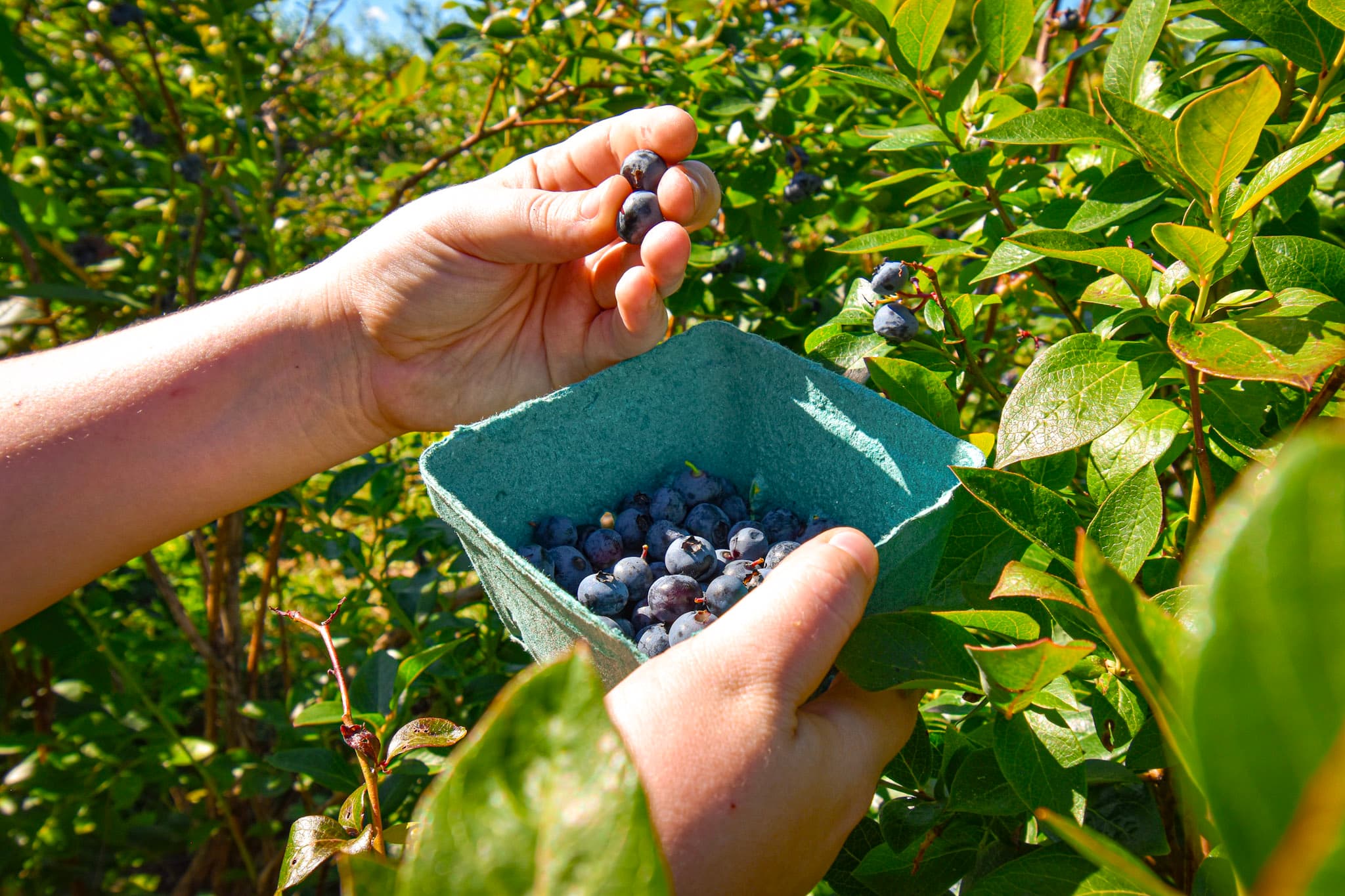
In Maine's berry country, trouble can arrive small enough to disappear against a row of leaves. Spotted wing drosophila is a fruit fly, but its consequences show up in the harvest bin, where damaged fruit has little patience for delay.
The latest alert from University of Maine Cooperative Extension says spotted wing drosophila numbers in the state remain stable, while urging growers to monitor their crops closely as the season moves forward. Stable is useful news. It is not the same thing as absent.
A Small Fly With a Large Appetite
The pest is particularly harmful to berries, including strawberries and blueberries, two crops that carry considerable weight in Maine's local agriculture and farm economy. For growers, the concern is less the insect's size than the narrow window between fruit becoming attractive to the fly and fruit becoming ready for sale.
That timing makes monitoring a working part of harvest management rather than a one-time inspection. Fields change quickly, and a calm reading early in the season does not remove the need to keep checking as susceptible fruit ripens.
Management Is a Season-Long Job
University of Maine Cooperative Extension specialists are emphasizing ongoing pest management strategies, with the practical burden falling on growers and their crews to keep observations connected to decisions in the field. That can mean adjusting the pace of scouting, reviewing control plans, and making sure harvest and sanitation work do not drift apart.
The alert follows a July update from Cooperative Extension at Highmoor Farm, a sign that the pest is being tracked through the season rather than treated as a single date on the calendar in Maine's crop reports. Extension guidance from other berry-producing regions has also pointed to exclusion netting as one tool for protecting fruit from spotted wing drosophila.
For now, the message is measured: conditions are not signaling a surge, but the crop is valuable enough that complacency would be an expensive experiment. Growers will need to keep field observations current and let those observations guide the next round of management work.