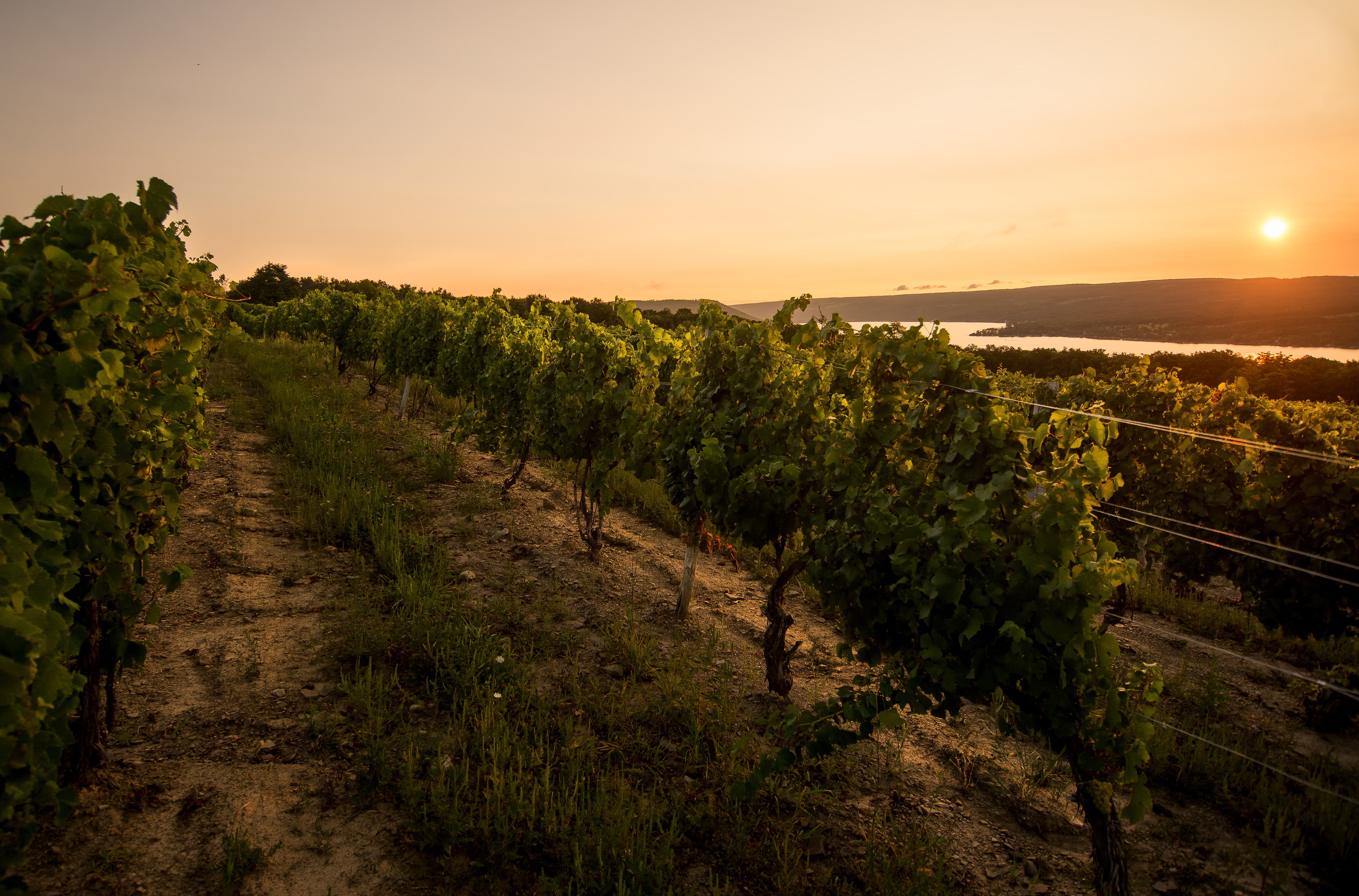
At sunrise over Keuka Lake, the water is usually the thing that catches the eye. For grape growers around the Finger Lakes, the more consequential visitors arrive small enough to disappear into a canopy. Spotted lanternflies have turned that ordinary cover into a place of concern.
Sen. Kirsten Gillibrand has introduced a bipartisan bill aimed at putting the invasive pest higher on the federal research agenda. The scale of the worry is large: damage to New York's agricultural sector could exceed $300 million a year, according to reporting on the proposal.
A Priority Before a Prescription
The bill would designate spotted lanternfly control as a high-priority research initiative. That wording matters. It points federal scientists toward the pest's biology, spread, and management, but it does not put a new spray, trap, or eradication protocol in a grower's hands.
The proposal arrives as the insect's range expands through New York. Reporting on the legislation describes it as a push for expanded federal research, with the threat to vineyards receiving particular attention in the Finger Lakes. Those vineyards are a central concern of the federal effort, where a pest problem can move from the edge of a property into the crop itself.
The Vineyard Problem Is Also a Research Problem
Vineyards are exposed in a way that makes uncertainty expensive. A grower can see a new insect and still lack a settled answer about timing, thresholds, controls, or how those controls fit with fruit quality and harvest schedules. Research priority can help fill that gap; legislation alone cannot fill it overnight.
For New York growers, the useful question is therefore less whether the bill makes the lanternfly disappear than what work follows if it advances. The reported proposal is meant to move the insect from a regional warning into a sustained federal research program, with USDA attention directed toward the threat.
That could eventually produce better guidance for vineyards, but the route runs through legislation, agency priorities, field trials, and the slow accumulation of results. Until then, the Finger Lakes has a familiar agricultural problem in an unfamiliar form: the landscape looks much the same, while the list of things growers must account for keeps getting longer.