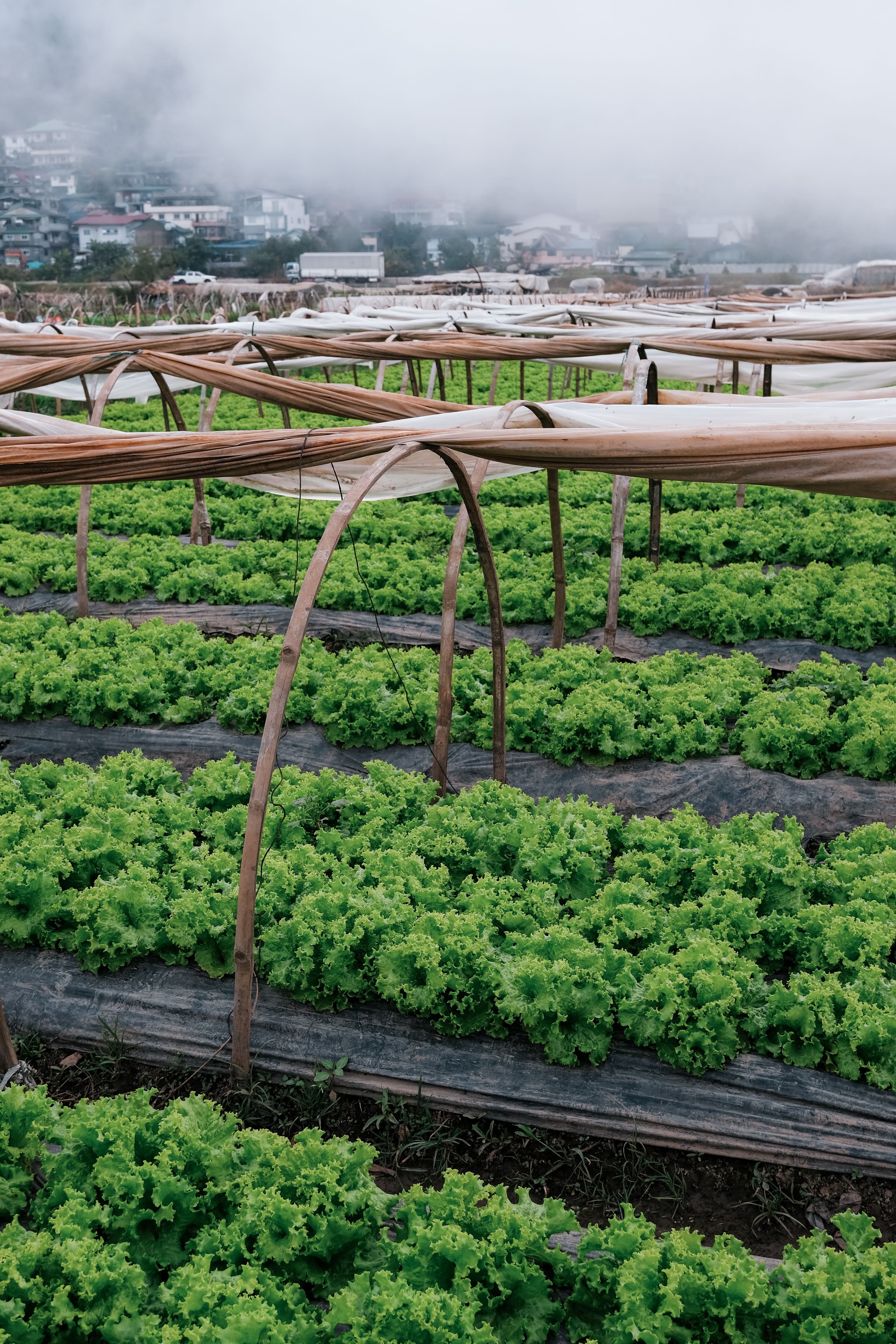
In a Central Valley field, the SharpShooter’s most consequential movement is the pause before a nozzle fires. Verdant Robotics built the automated rig around that small hesitation: the machine uses artificial intelligence to identify where an application is needed, then directs the spray instead of treating every inch of the row as equally guilty.
That is a different proposition from simply driving a sprayer faster. The company says its system can reduce chemical use by up to 99%, a figure that has put the machine in the growing category of farm equipment that makes decisions between the tractor and the target. The Business Journal reports that SharpShooter is operating on Central Valley farms.
A Nozzle With Something to Do
The practical appeal is easy to understand. Crop protection products are expensive, and the people who apply them are expensive to find. A system that can distinguish plants, gaps and likely targets could reduce the amount of material leaving the tank while allowing a smaller crew to cover the same work. Verdant describes SharpShooter as an AI-powered precision-spraying system intended to cut both labor and chemical costs.
The machine is part of a broader shift in California agriculture toward equipment that combines field travel with automated judgment. UC Agriculture and Natural Resources has been bringing growers to demonstrations of tools for weeding, thinning, harvesting, drone application and irrigation management, including a Salinas Valley field day focused on lettuce and leafy greens. That event’s lineup shows how quickly application technology is being folded into ordinary crop demonstrations, rather than kept in a laboratory with a name tag.
From Demonstration to Working Farm
SharpShooter is no longer described solely as a prototype. It is currently operational on 50 farms globally, including operations in California’s Central Valley. That matters because the hard part of agricultural automation is rarely the machine’s ability to move down a row; it is whether the machine can survive the schedule, dust, crop variability and timing pressures of a commercial season.
For growers, the useful question is therefore less “Can a robot spray?” than “What does it recognize in my block, and what happens when it does not?” A purchase or service agreement would have to fit existing pest-control-adviser recommendations, equipment logistics, product labels and the farm’s harvest calendar. The savings are compelling on paper, but application accuracy still has to be judged against the crop in front of the camera.
Verdant’s approach also arrives as growers are being asked to make more precise use of every pass through the field. In vineyards, orchards and vegetable ground, a machine that treats targets rather than acreage could change how operators think about tank loads, labor assignments and records. The company’s agronomy and regulatory-affairs team has framed the technology as a way to improve application efficiency and profitability for growers. Its director of agronomy industry relations and regulatory affairs discussed that precision-spraying case.